Judaism
Exodus
“And God spake all these words, saying,”
God gives law to a chosen prophet atop a mountain, forming the constitutional charter of a people.
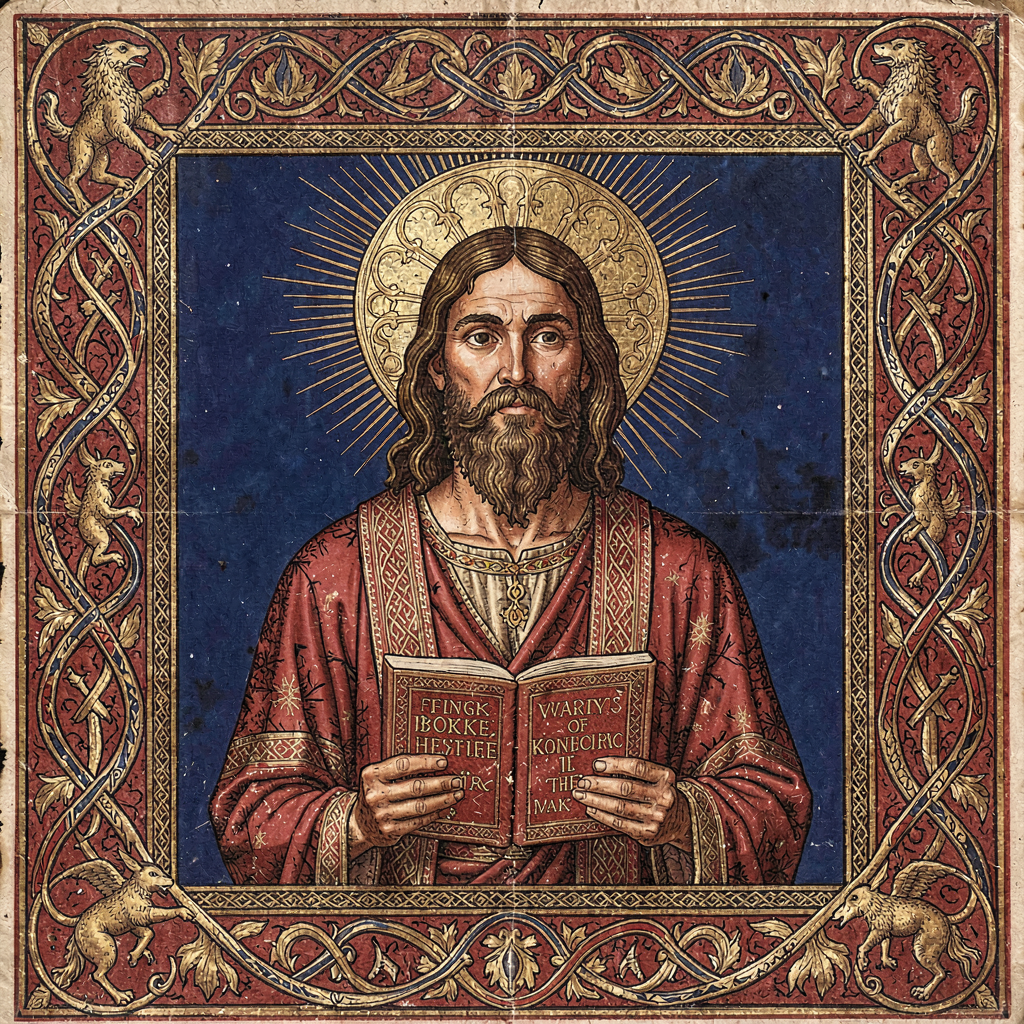
The motif of divine legislation enacted upon a high place unites the Abrahamic traditions, establishing a constitutional charter for the faithful community. In Judaism, Exodus 20:1 records God speaking from Sinai, delivering the Decalogue which expands into six hundred and thirteen commandments. Here, the mountain serves as a boundary between the holy and the profane, with the people gathered below while Moses ascends. Christianity reinterprets this geography; Matthew 5:1 depicts Jesus ascending a mountain to teach the Sermon on the Mount. This parallels Sinai but shifts the focus from external tablets to interior righteousness, fulfilling rather than abolishing the prior law. Islam preserves the Mosaic narrative distinctly. In Pickthall's translation of Qur'an 19:52, Allah calls Musa from the right side of Mount Tur, granting him direct communion as Kalim Allah. While all three traditions utilize the mountain as a locus of revelation and covenant formation, the nature of the law diverges. Judaism emphasizes the detailed application of Torah; Christianity prioritizes the spirit of the law through Christ's teaching; Islam affirms the continuity of prophetic message while distinguishing the finality of the Quranic revelation. Thus, the mountain remains a universal symbol of divine proximity, yet the specific legal and spiritual obligations derived from these encounters reflect each tradition's unique theological trajectory regarding authority and obedience.
Sinai; two tablets; 613 mitzvot unfolding from the Decalogue.
Christ's Sermon on the Mount intentionally parallels Sinai — new law, greater interiority.
Mount Tur (Qur'an 19:52); Musa speaks with Allah directly (Kalim Allah).
No one has written anything here yet. Some places to begin:
Sign in to join the discussion.