Ideas that cross every border.
Thematic studies — love, justice, mercy, creation — that gather verses from every tradition, heard in parallel but not flattened into one.
- 126
- 682
- 7
- i

Love
From agape to maitri to hesed — the call to unconditional care for the other runs through every tradition.
“Charity suffereth long, and is kind; charity envieth not...”
- ii
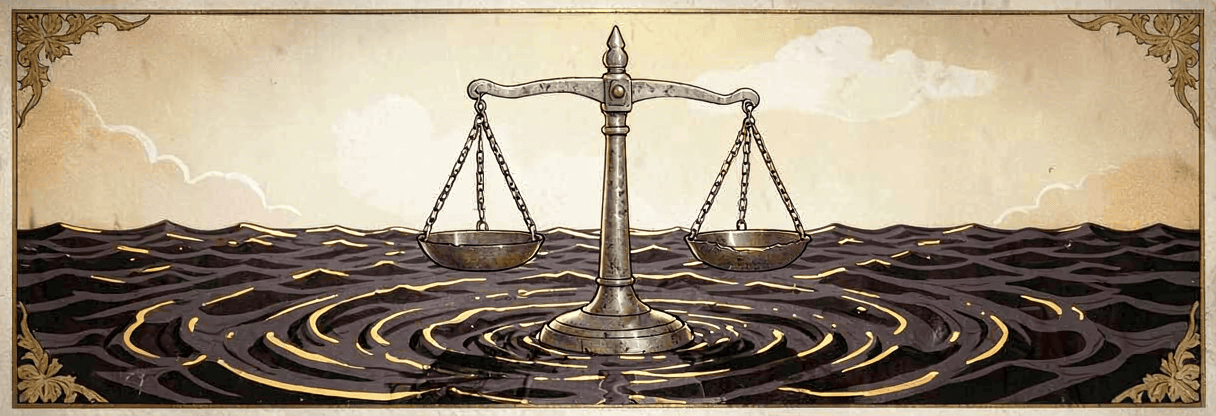
Justice
The call to order rightly what power has bent — a thread that runs from the prophets to the caliphs to the Mahabharata.
“...to do justly, and to love mercy, and to walk humbly with thy God.”
- iii
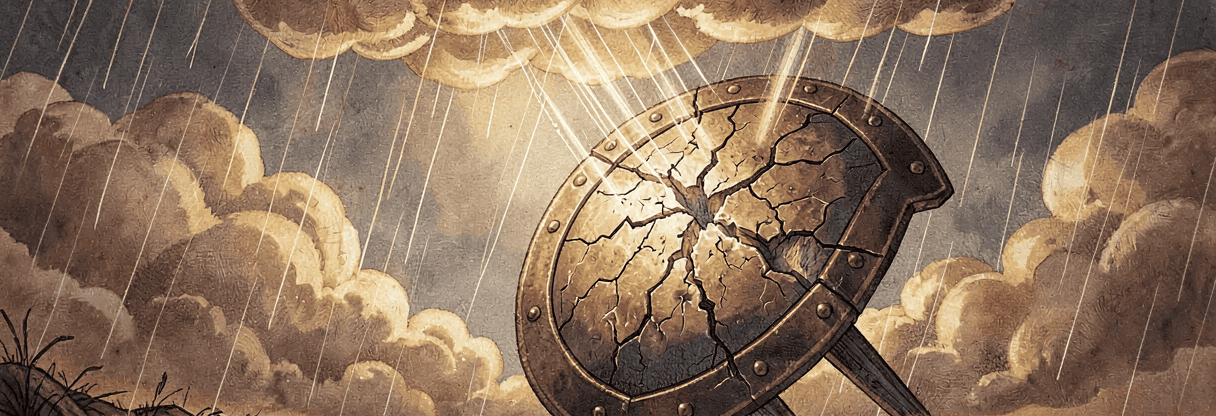
Mercy
The stepping-back from strict justice; the compassion that each tradition places at the centre of the divine character.
“Be ye therefore merciful, as your Father also is merciful.”
- iv

Creation
How each tradition narrates the beginning — from the six days of Genesis to the breathless One of the Rigveda to the nameless Tao.
“”
- v

The Afterlife
Resurrection, heaven and hell, the wheel of samsara, the bodhisattva's return — visions of what lies beyond the body.
“...some to everlasting life, and some to shame and everlasting contempt.”
- vi

Prayer
The practice of speech toward the divine — petition, adoration, silence.
“Our Father which art in heaven, Hallowed be thy name...”
- vii
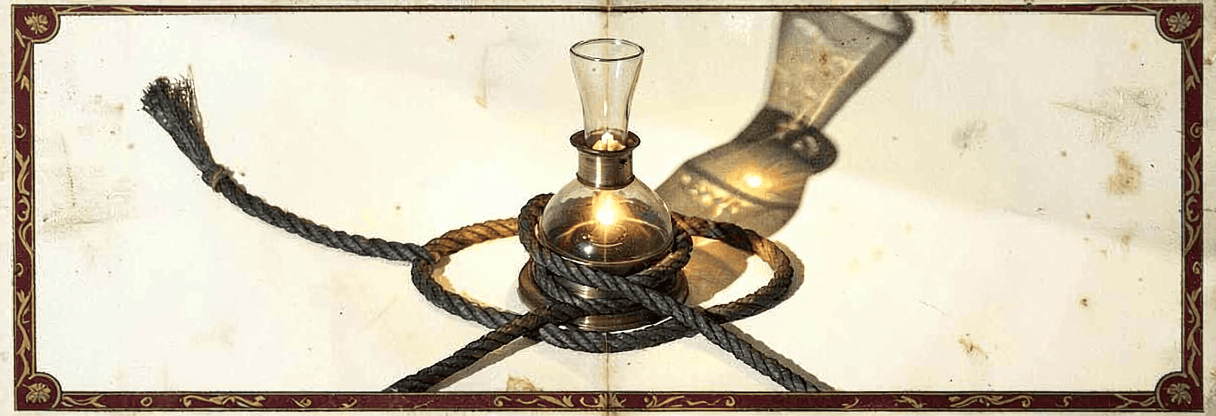
Wisdom
Not information but discernment — the fear of the Lord, the middle way, the knowledge that conquers the self.
“The fear of the LORD is the beginning of wisdom...”
- viii
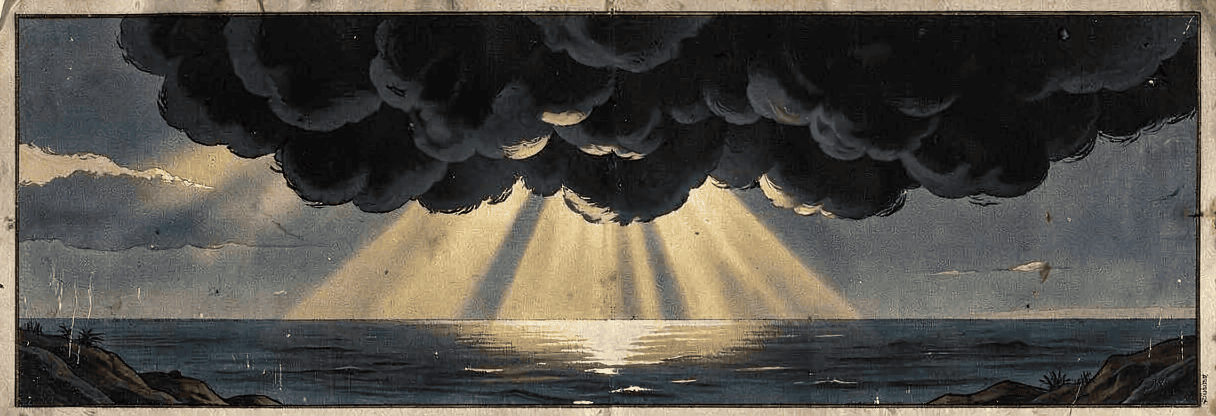
Suffering
The problem of pain. Where Buddhism begins (the First Noble Truth), Job wrestles, Paul reframes, and the Gita redirects.
“”
- ix
The Self
Whether to die to it, transcend it, realise its non-existence, or love God and neighbour as oneself — every tradition has a verdict on the self.
“I am crucified with Christ: nevertheless I live; yet not I, but Christ liveth in me.”
- x

Pilgrimage
Going somewhere, on foot, because of God. The Hajj, ritual pilgrimage to Jerusalem, the four dhams, the Bodhi trail.
“I was glad when they said unto me, Let us go into the house of the LORD.”
- xi
Repentance
Turning away from sin and returning to God is central to spiritual renewal. This theme highlights the call to change one's heart and actions.
“”
- xii

Forgiveness
God offers mercy to those who seek it, and believers are called to extend that same grace. It restores broken relationships and brings peace.
“”
- xiii

Idolatry
Placing anything above God in one's life leads to spiritual emptiness and separation. The scriptures warn against worshipping created things rather than the Creator.
“”
- xiv

The Spirit
The Holy Spirit guides, empowers, and comforts believers in their daily walk. This presence marks the new covenant relationship with God.
“”
- xv

Blood and Sacrifice
Atonement for sin requires a life given in place of another, pointing ultimately to Christ. Old covenant rituals foreshadowed this ultimate payment.
“”
- xvi

Bread and Feasting
Food often symbolizes provision, communion, and celebration in the biblical narrative. Jesus identifies himself as the bread of life for eternal sustenance.
“”
- xvii
Light and Darkness
Spiritual truth and righteousness are contrasted with ignorance and sin throughout scripture. Believers are called to walk in the light as children of God.
“”
- xviii
Water
Water represents cleansing, life, and the Holy Spirit's refreshing work. It is used in baptism to signify death to sin and new life.
“”
- xix
The Shepherd
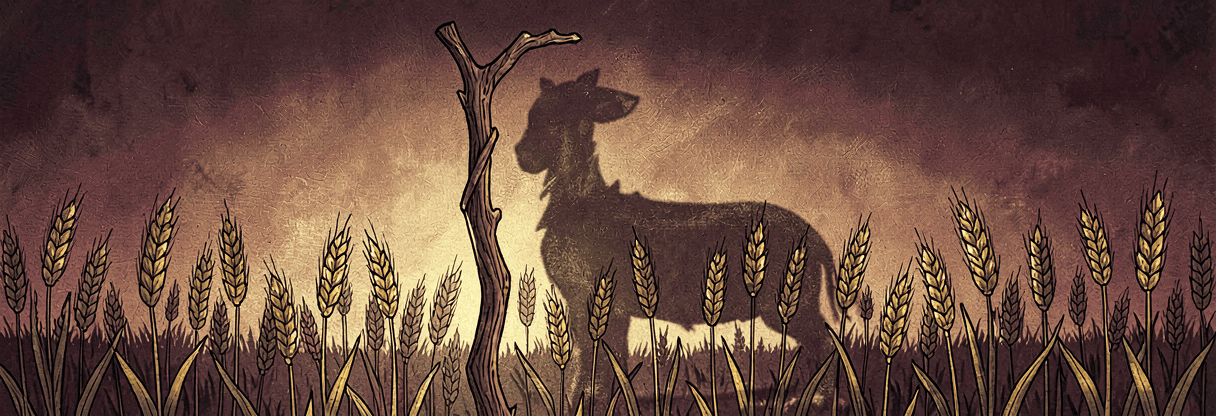
God is depicted as a caretaker who leads, protects, and provides for his people. Jesus claims this role to describe his relationship with his followers.
“”
- xx
Exile and Return
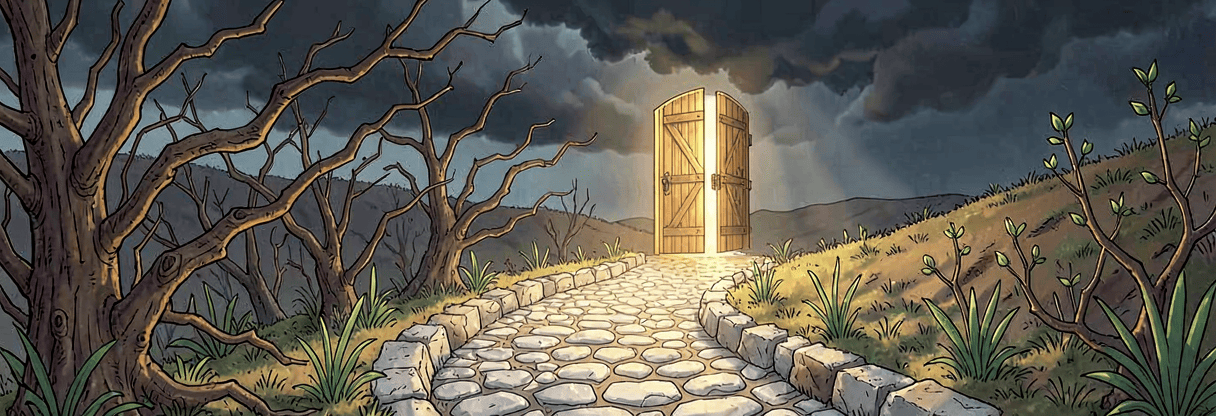
The cycle of leaving the promised land and returning reflects spiritual wandering and restoration. It teaches lessons about discipline and God's faithfulness.
“”
- xxi

Humility
Bowing low — the spiritual posture that every tradition treats as the door, not the threshold. From Moses 'meek above all men' to the Tao that humbles itself by being below.
“...to do justly, and to love mercy, and to walk humbly with thy God.”
- xxii
Friendship
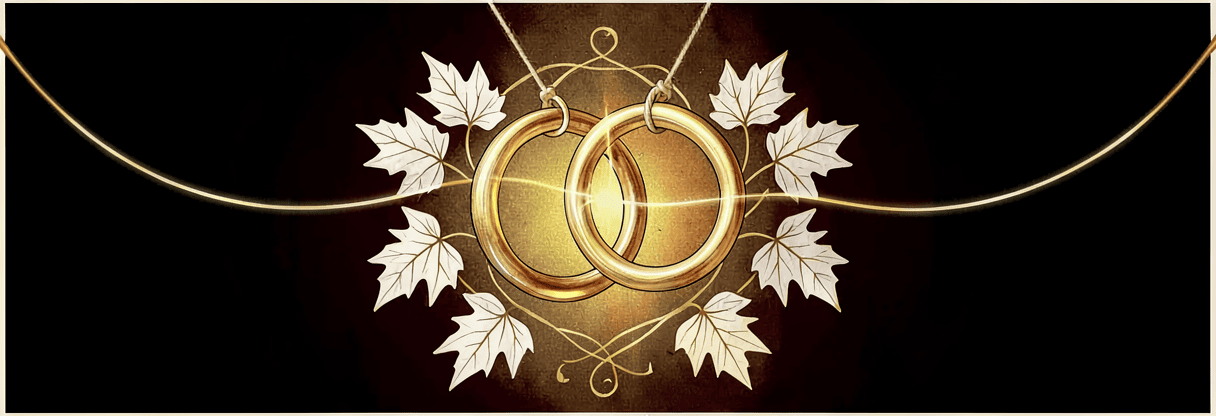
The love that is chosen — the bond that the Analects place above blood, the gospel above life itself, and the Proverbs above brotherhood.
“A friend loveth at all times, and a brother is born for adversity.”
- xxiii

The Stranger
Welcoming the unknown traveller — every tradition makes the visitor a sacrament, the door wider than the household.
“But the stranger that dwelleth with you shall be unto you as one born among you, and thou shalt love him as thyself...”
- xxiv

Silence and Stillness
The still small voice — every tradition keeps a chamber of quiet at the centre of speech. The God who speaks in whispers, the Tao that knows the world without going out.
“...and after the fire a still small voice.”
- xxv

Joy
Gladness as discipline, not happenstance — the rejoicing the Psalmist commands, the Apostle commands, and the Buddha grounds in the dhamma itself.
“Thou hast turned for me my mourning into dancing: thou hast put off my sackcloth, and girded me with gladness;”
- xxvi
Work
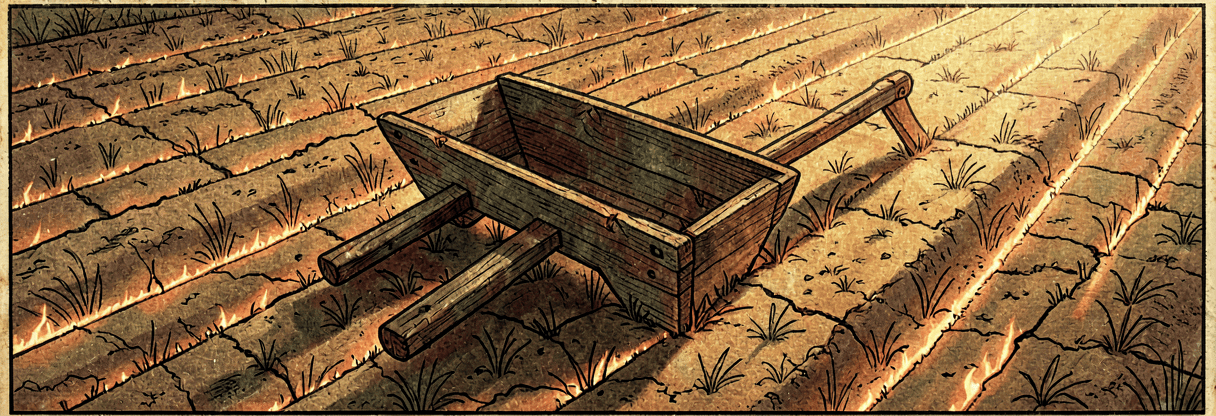
Labour as covenant: a calling, not a curse. Every tradition treats the doing of a task as a kind of prayer — Genesis tilling, Krishna karma yoga, Paul tentmaking.
“And the LORD God took the man, and put him into the garden of Eden to dress it and to keep it.”
- xxvii
Gratitude
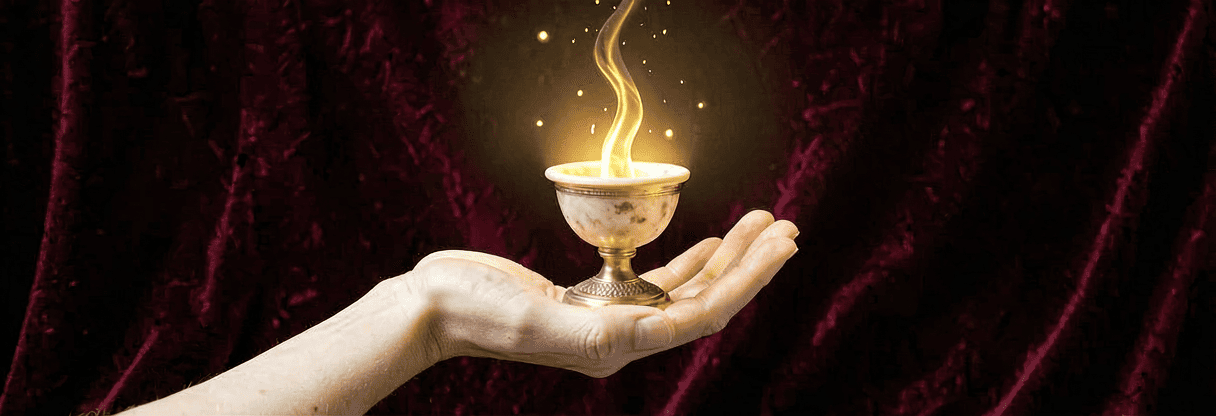
Thanksgiving as command, not mood — every tradition knows the door of the sanctuary opens inward only on hinges of gratitude.
“Enter into his gates with thanksgiving, and into his courts with praise: be thankful unto him, and bless his name.”
- xxviii

The Heart
The hidden chamber where the real worship happens — every tradition watches the heart more closely than the hands.
“And thou shalt love the LORD thy God with all thine heart, and with all thy soul, and with all thy might.”
- xxix
Patience
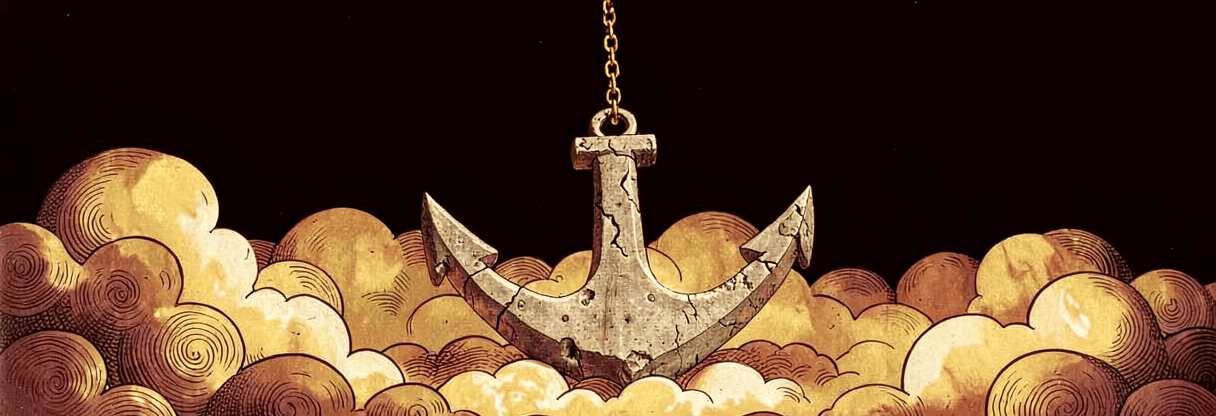
The slow virtue — the one every tradition treats as the proof that the soul has anchored, not merely settled.
“Better is the end of a thing than the beginning thereof: and the patient in spirit is better than the proud in spirit.”
- xxx

Faith
Trust as substance — the faculty that the Letter to the Hebrews names the evidence of things unseen, and that every tradition makes the seed of every virtue.
“And he believed in the LORD; and he counted it to him for righteousness.”
- xxxi

The Fear of the Lord
The 'beginning of wisdom' that every tradition distinguishes from terror — the awe of the small soul before the unbearable nearness of the Holy.
“The fear of the LORD is the beginning of knowledge: but fools despise wisdom and instruction.”
- xxxii
The Fool
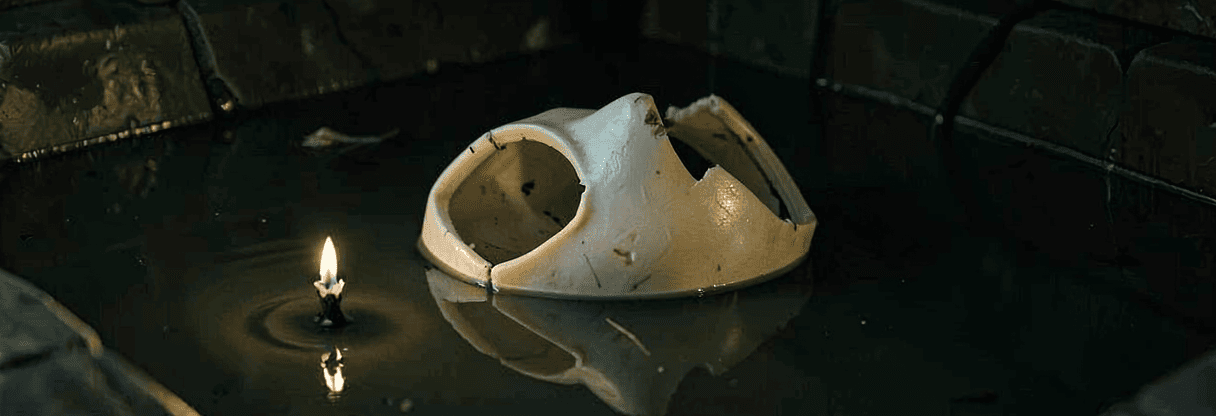
The figure who rejects wisdom out of pride and pays the price — every tradition treats him not as comic relief but as cautionary tale.
“The fool hath said in his heart, There is no God...”
- xxxiii

Truth
The reality that does not change — every tradition sets it as the criterion against which speech, conduct, and worship are tested.
“Behold, thou desirest truth in the inward parts...”
- xxxiv

Wealth
Mammon and the soul — every tradition warns that the man who serves the purse cannot also serve God, and gives almsgiving as the cure.
“He that loveth silver shall not be satisfied with silver; nor he that loveth abundance with increase...”
- xxxv

Time
The mortal clock that every tradition reads against an eternal one — Ecclesiastes' seasons, the Qur'an's swearing by the afternoon, Krishna who is Time grown great.
“To every thing there is a season, and a time to every purpose under the heaven:”
- xxxvi
The Name
Naming as a sacred act — the Tetragrammaton, the ninety-nine names of Allah, the syllable OM, the Tao that cannot be named. Every tradition makes the Name the place where speech meets the unspeakable.
“And God said unto Moses, I AM THAT I AM...”
- xxxvii
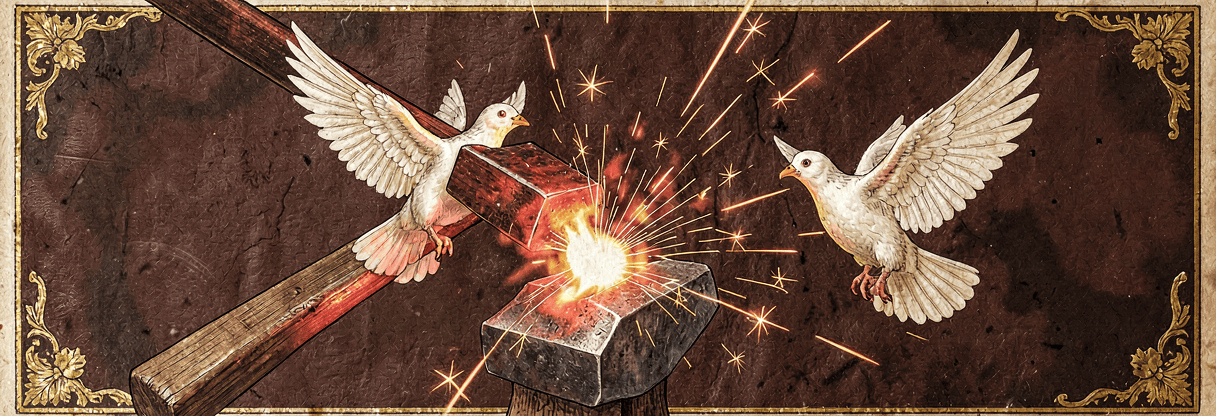
Anger
The fire that purifies and the fire that consumes — every tradition warns the wrath of God against the wrath of man, and every tradition makes the slow heart its student.
“A soft answer turneth away wrath: but grievous words stir up anger.”
- xxxviii
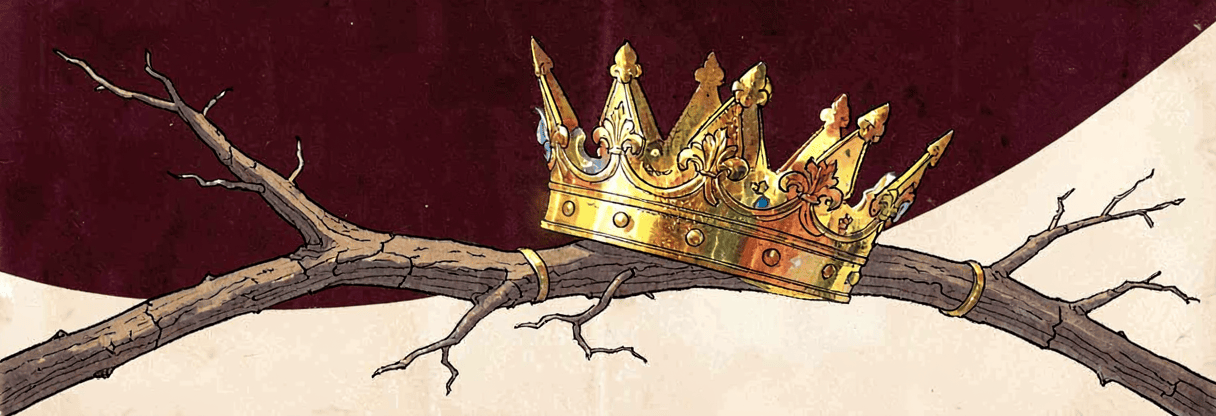
Pride
The first sin of the angels and the last sin of the saints — the inflation of self that every tradition treats as the secret root of every other vice.
“Pride goeth before destruction, and an haughty spirit before a fall.”
- xxxix
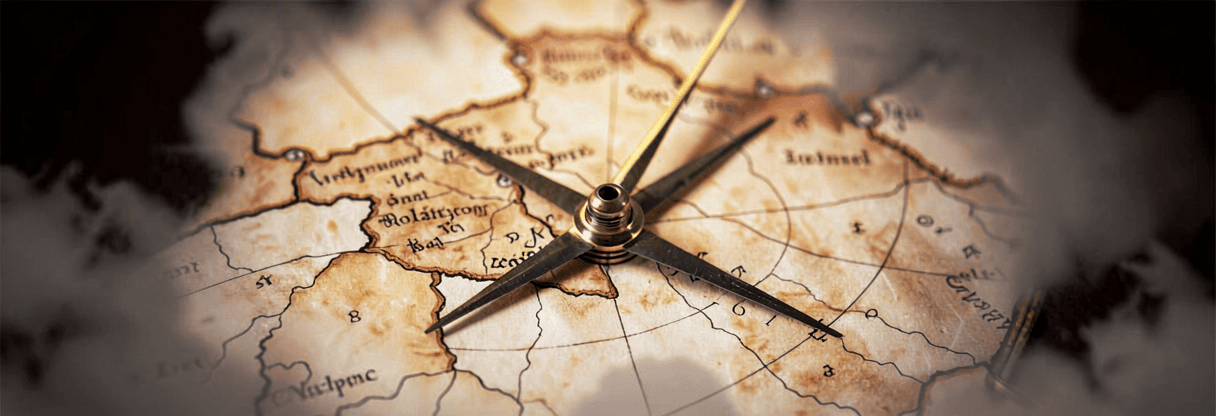
Doubt
The mind that hesitates between two opinions — every tradition treats it not as enemy of faith but as its proving ground.
“And Elijah came unto all the people, and said, How long halt ye between two opinions? if the LORD be God, follow him...”
- xl

Greed
The mouth that cannot be filled — every tradition treats covetousness as a quiet idolatry, a worship that mistakes the gift for the giver.
“Thou shalt not covet thy neighbour's house, thou shalt not covet thy neighbour's wife...”
- xli
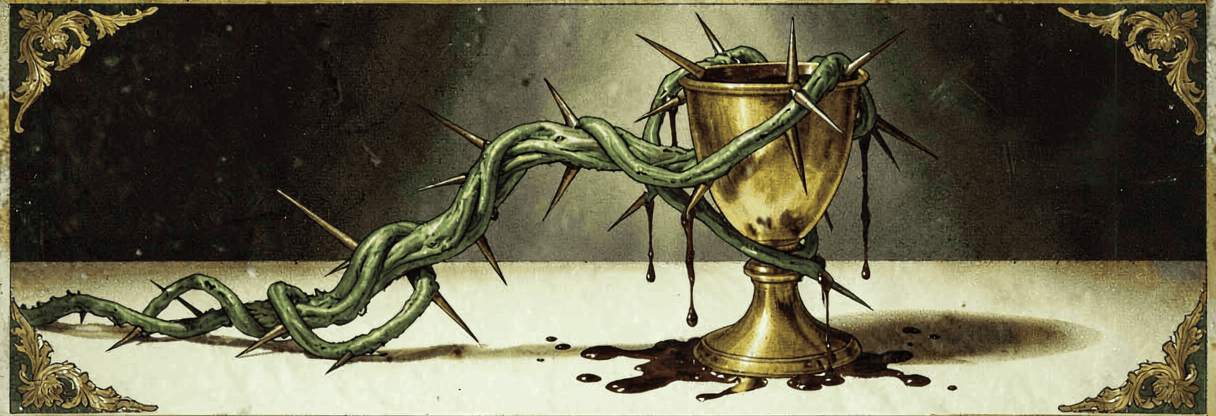
Envy
The grief at another's good — the green sin that bites the believer worse than the unbeliever, because faith should drown it.
“A sound heart is the life of the flesh: but envy the rottenness of the bones.”
- xlii
Compassion
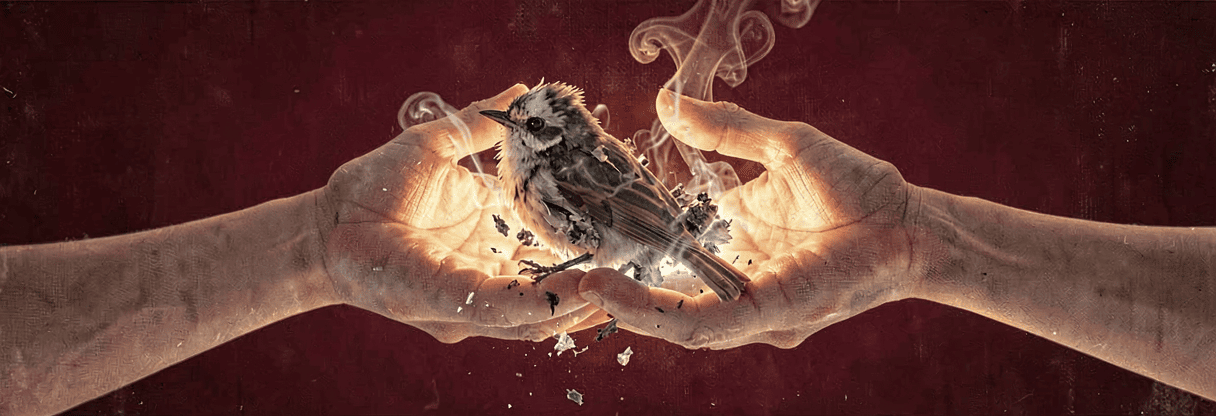
The heart turned outward — distinct from mercy (which descends from God) as the soul's answer that ascends back, made for the suffering of strangers.
“The LORD is good to all: and his tender mercies are over all his works.”
- xliii
Death
The doorway every tradition stands at without averting its eyes — Ecclesiastes' dust to dust, Paul's sting that has been swallowed, the Buddha's first noble truth.
“All go unto one place; all are of the dust, and all turn to dust again.”
- xliv
The Poor
Not the powerful — the powerless. Every tradition treats the destitute not as project but as presence, the litmus test of every other claim to righteousness.
“And thou shalt not glean thy vineyard, neither shalt thou gather every grape of thy vineyard; thou shalt leave them for the poor and stranger...”
- xlv
The Orphan and the Widow
The legal-religious test of every just society — every code makes specific protections for those left without male guardian, and every scripture writes them onto the conscience.
“He doth execute the judgment of the fatherless and widow, and loveth the stranger, in giving him food and raiment.”
- xlvi

Dreams and Visions
When God speaks past the daylight mind — every tradition keeps the door of sleep half-ajar, expecting the divine to walk through it.
“And he dreamed, and behold a ladder set up on the earth, and the top of it reached to heaven: and behold the angels of God ascending and descending on it.”
- xlvii
The Call
The divine summons — every tradition turns on the moment a voice names a name and a life turns. Abram. Moses. Mary. Muhammad. Siddhartha.
“Now the LORD had said unto Abram, Get thee out of thy country, and from thy kindred...”
- xlviii
Rebellion
The first sin of the spirit, the recurring sin of the people — every tradition tells of the proud refusal that sets the soul against its source.
“And Cain talked with Abel his brother: and it came to pass, when they were in the field, that Cain rose up against Abel his brother, and slew him.”
- xlix
Destiny and Providence
What the great hand has written — every tradition asks how the soul's freedom and the divine decree fit together, and gives no easy answer.
“A man's heart deviseth his way: but the LORD directeth his steps.”
- l
Remembrance
Memory as worship — every tradition makes the past sacred by retelling it: the Sabbath, the Eucharist, the dhikr, the Vedic rishi reciting fire.
“Remember the sabbath day, to keep it holy.”
- li
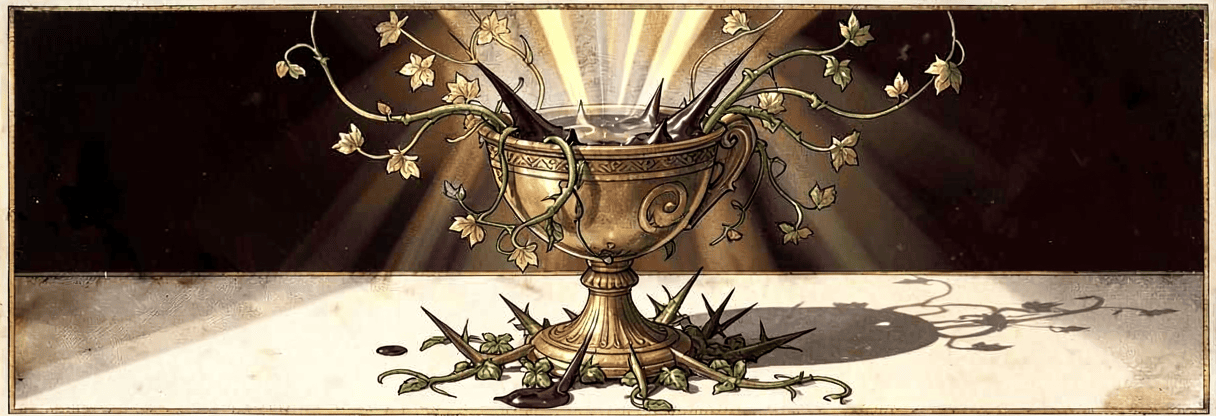
Wine
The grape that gladdens the heart and the cup that overthrows — every tradition treats wine as both gift and danger.
“And wine that maketh glad the heart of man...”
- lii
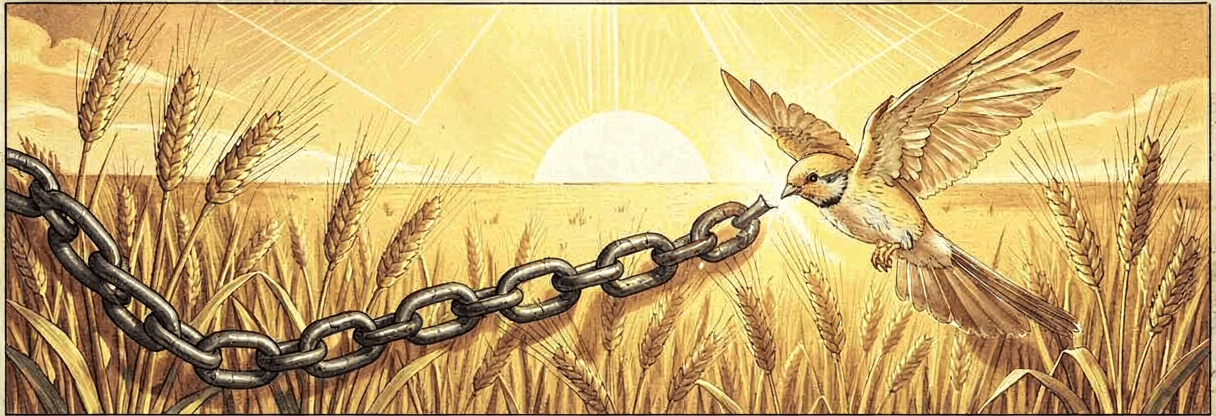
Freedom
The exodus from every Egypt — every tradition treats liberation as spiritual, not merely political.
“And Moses said unto the people, Remember this day, in which ye came out from Egypt, out of the house of bondage...”
- liii
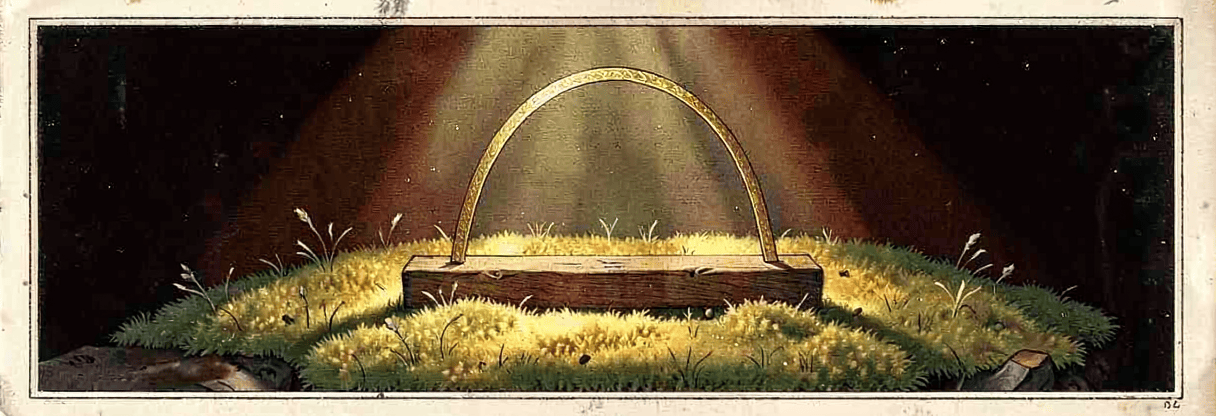
The Yoke
The discipline that binds the neck — every tradition gives a yoke that is, paradoxically, the way of rest.
“It is good for a man that he bear the yoke in his youth.”
- liv

Vanity
All is vapour — Ecclesiastes' verdict that the Buddha echoes from a different valley: clinging to the impermanent is the trap.
“Vanity of vanities, saith the Preacher, vanity of vanities; all is vanity.”
- lv
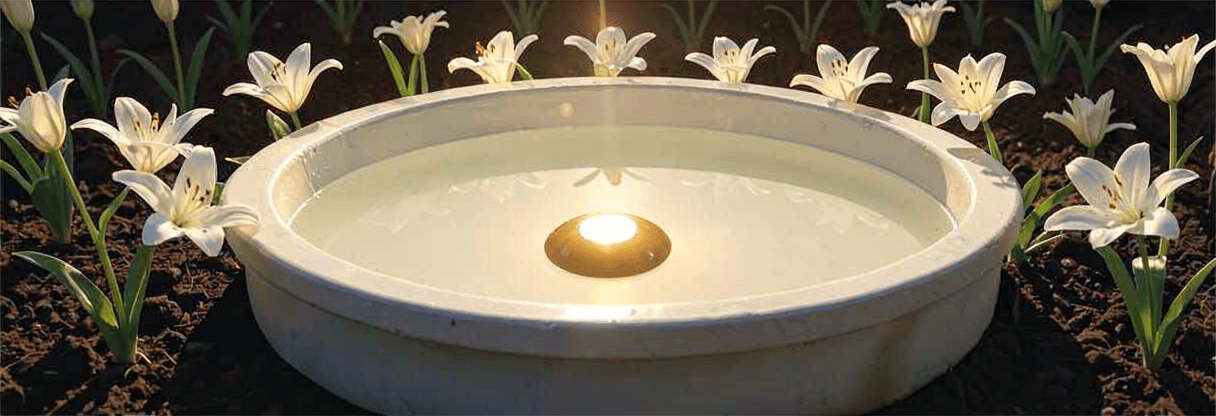
Purity
Clean of body, clean of heart — every tradition sets a threshold for the holy and gives a discipline for crossing it.
“He that hath clean hands, and a pure heart; who hath not lifted up his soul unto vanity, nor sworn deceitfully.”
- lvi
Knowledge
Distinct from wisdom: the act of knowing rather than the disposition of the wise — and every tradition warns that some kinds of knowing destroy.
“The fear of the LORD is the beginning of knowledge: but fools despise wisdom and instruction.”
- lvii
The Mountain
The high place where the air thins and the soul meets the Holy — Sinai, Olives, Hira, Meru, Tabor.
“And mount Sinai was altogether on a smoke, because the LORD descended upon it in fire...”
- lviii
The King
Who rules, and rightly — every tradition tests the throne against the prophet, the conscience, and the Holy.
“...for they have not rejected thee, but they have rejected me, that I should not reign over them.”
- lix
Flesh and Spirit
Two natures in one creature — every tradition makes the body's appetites the testing-ground of the inner life.
“Watch and pray, that ye enter not into temptation: the spirit indeed is willing, but the flesh is weak.”
- lx

The Sword
The blade that divides truth from falsehood, friend from foe — every tradition turns the sword inward as much as outward.
“Let the high praises of God be in their mouth, and a twoedged sword in their hand;”
- lxi
Glory
Kavod, doxa, dakhsha — the heavy weight of presence that crowns the Holy and the saint.
“And he said, I beseech thee, shew me thy glory.”
- lxii

Shame
The downcast face — every tradition treats shame as both wound and beginning, the soul's first honest accounting.
“And the eyes of them both were opened, and they knew that they were naked...”
- lxiii
The Eye
The window of the soul — every tradition watches the watcher, treating the eye as both organ of judgment and tutor of desire.
“...the commandment of the LORD is pure, enlightening the eyes.”
- lxiv

Thirst
The body's craving as figure of the soul's longing — and, in Buddhism, as the very root of suffering.
“As the hart panteth after the water brooks, so panteth my soul after thee, O God.”
- lxv
The Mind
Distinct from the heart: the calculating, attending faculty — that which the Buddha treats as the master, and Paul as needing renewal.
“And be not conformed to this world: but be ye transformed by the renewing of your mind...”
- lxvi
The Harvest
The reaping at season's end — every tradition treats the gathered grain as figure of judgment, of mission, of the soul's gathered fruit.
“Put ye in the sickle, for the harvest is ripe...”
- lxvii
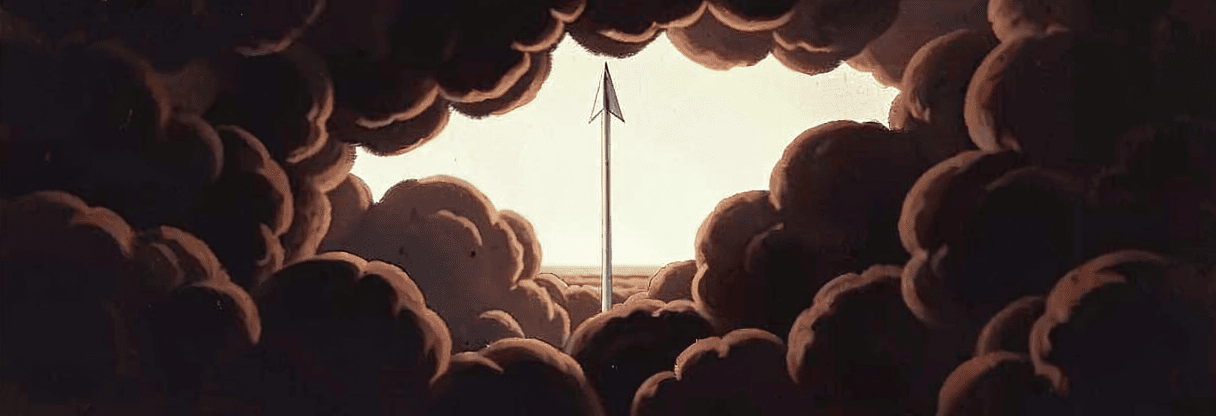
Hope
The forward-looking sister of faith — every tradition turns the eye to a future the soul cannot yet see.
“Why art thou cast down, O my soul? and why art thou disquieted in me? hope thou in God...”
- lxviii
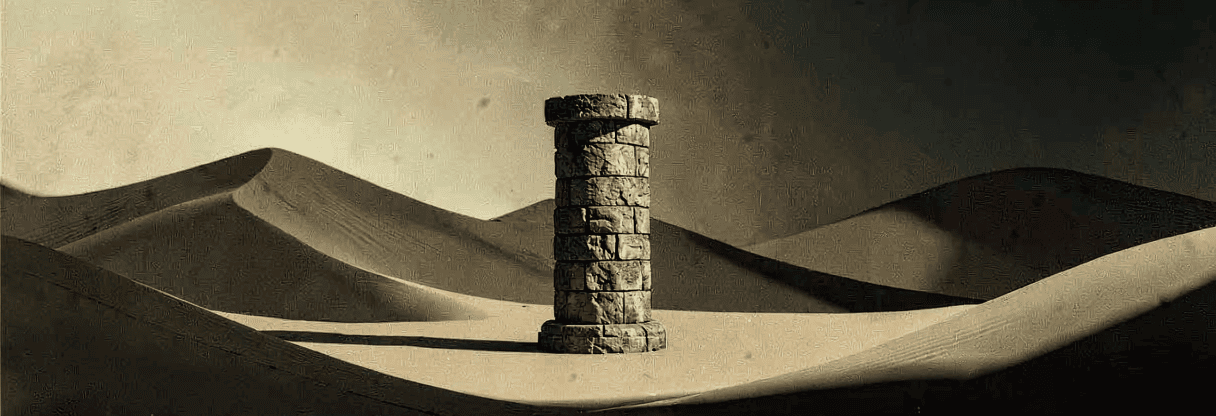
The Wilderness
The empty place where the soul is stripped — every tradition sends its prophet, its messiah, its monk into the desert before the public word.
“Now Moses kept the flock of Jethro his father in law, the priest of Midian: and he led the flock to the backside of the desert...”
- lxix

The Stone
Rock as foundation, as witness, as the thing the builders refused — every tradition makes stone the silent counsel against forgetfulness.
“And Jacob rose up early in the morning, and took the stone that he had put for his pillows, and set it up for a pillar...”
- lxx
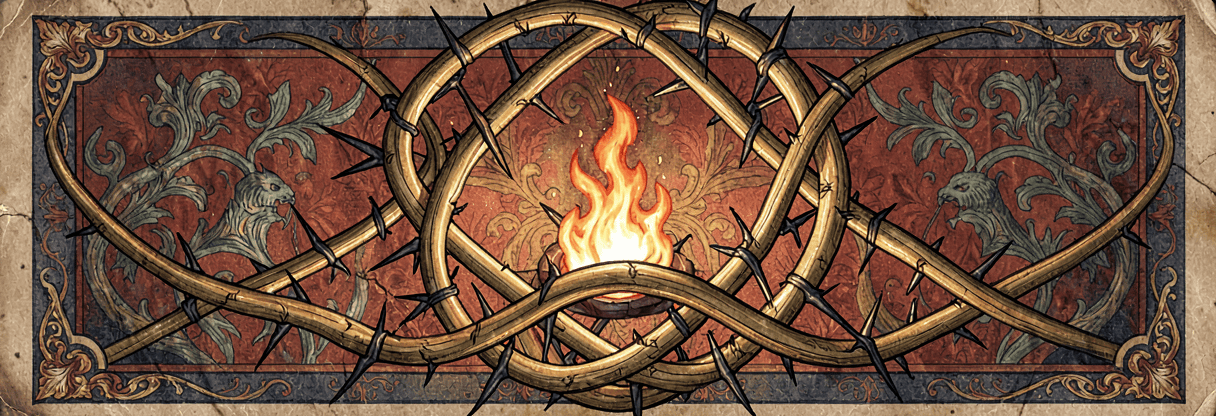
Desire
The engine of the soul — every tradition treats craving as either the wound or the wing.
“Delight thyself also in the LORD; and he shall give thee the desires of thine heart.”
- lxxi
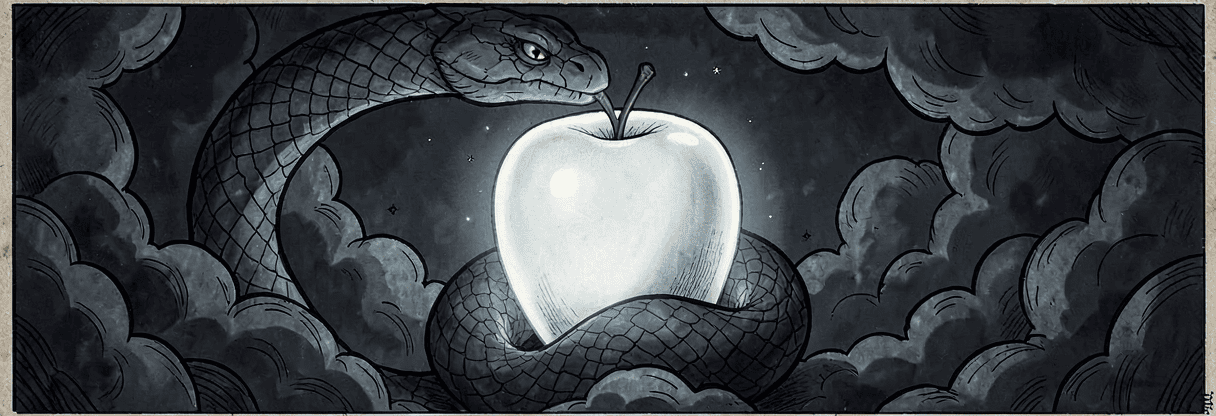
Temptation
The hour of testing — every tradition names a tempter and warns the soul to be ready before the seductive voice is heard.
“Now the serpent was more subtil than any beast of the field which the LORD God had made...”
- lxxii
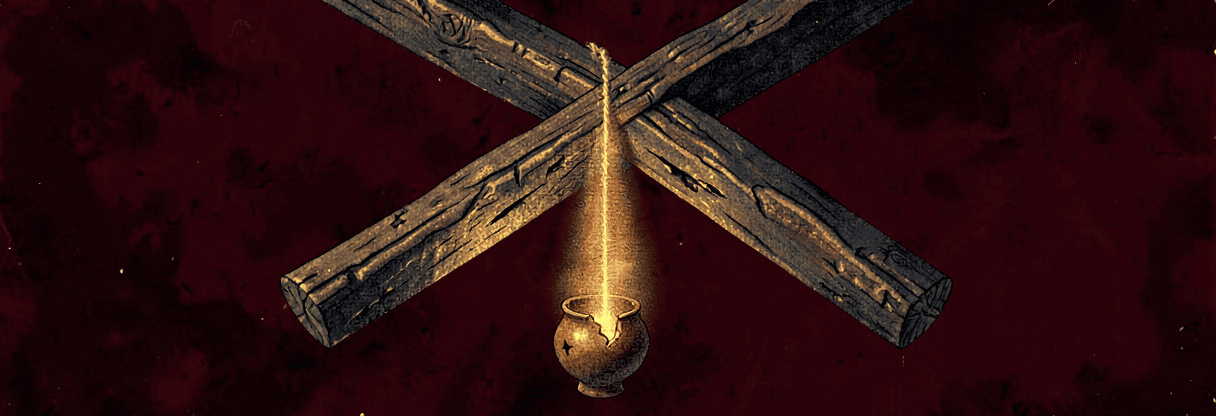
The Cross
The instrument of execution made into the world's deepest mercy — central to Christianity, paralleled in every tradition's image of love that bears unjust pain.
“...If any man will come after me, let him deny himself, and take up his cross, and follow me.”
- lxxiii
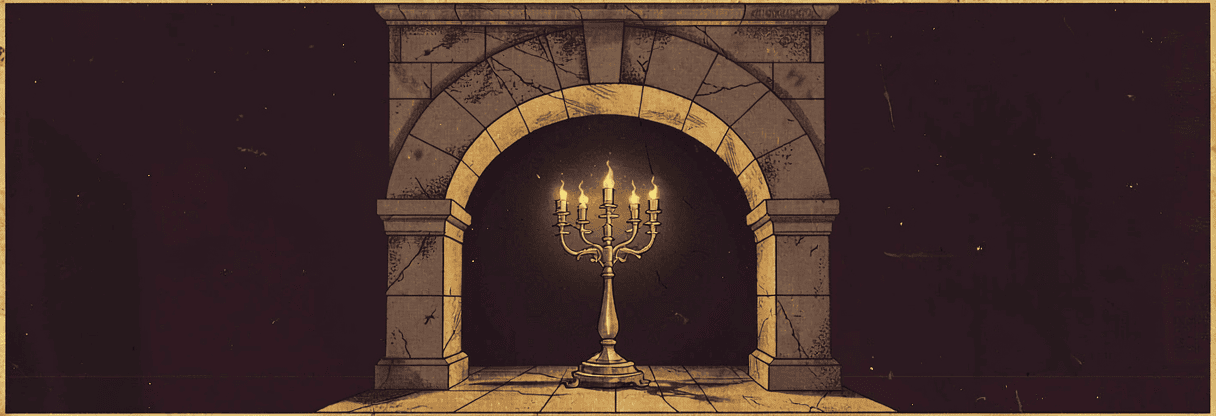
Holiness
The set-apart-ness of God and the set-apart-ness God commands — every tradition treats the holy as the line that distinguishes worship from idolatry.
“...Ye shall be holy: for I the LORD your God am holy.”
- lxxiv
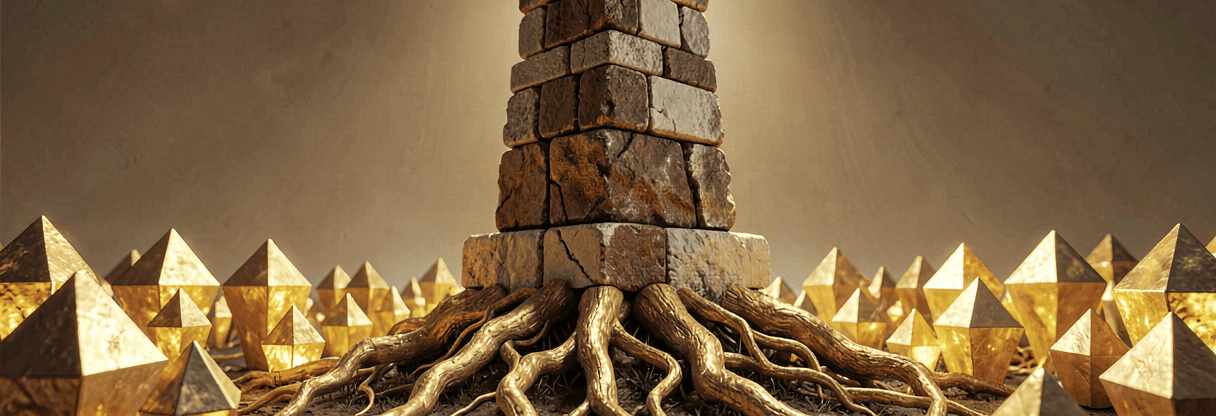
The Temple
Stone, body, congregation — every tradition stretches the word 'temple' from a building to a community to a self.
“But will God indeed dwell on the earth? behold, the heaven and heaven of heavens cannot contain thee; how much less this house that I have builded?”
- lxxv

The Priest
The one who stands between — every tradition gives a class whose work it is to keep the threshold of the Holy.
“And ye shall be unto me a kingdom of priests, and an holy nation...”
- lxxvi
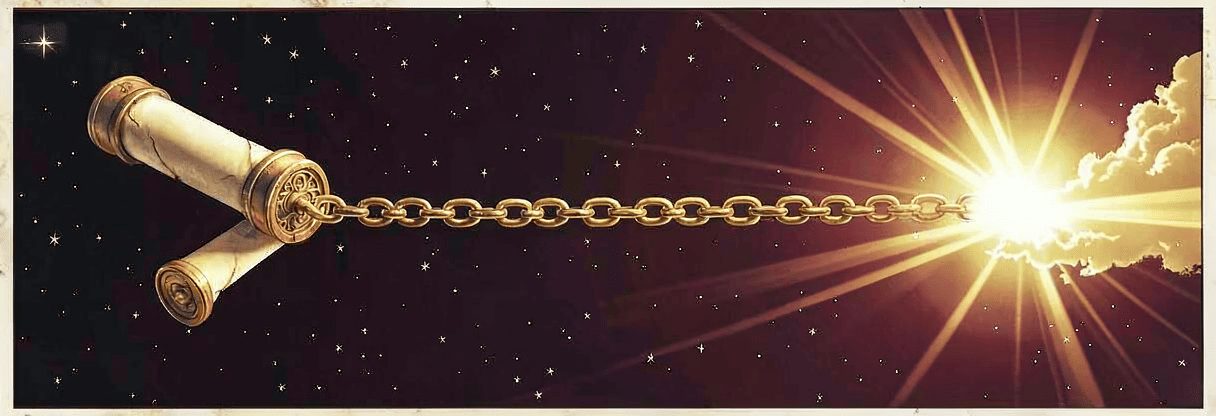
The Promise
What God has said, He will do — every tradition rests on the unbroken word that anchors the future.
“...and in thee shall all families of the earth be blessed.”
- lxxvii
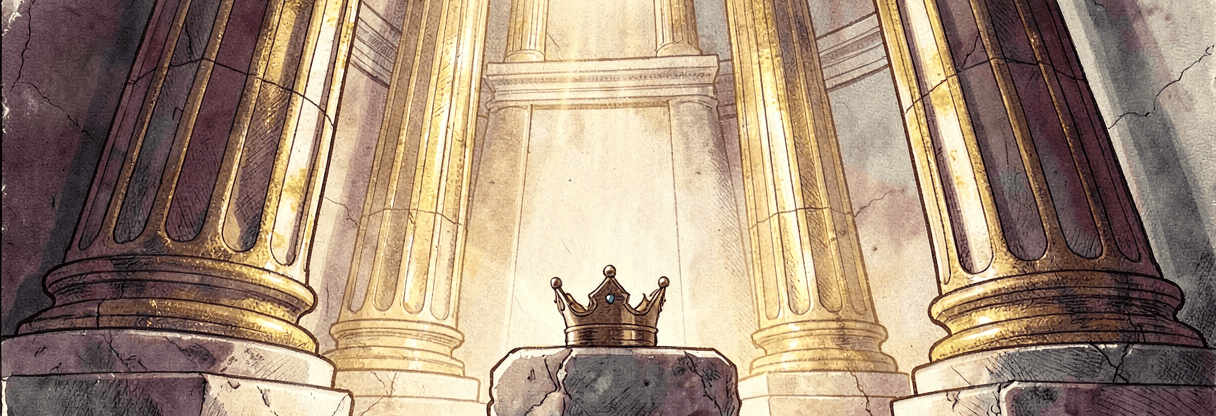
The Child
The little one who enters first — every tradition turns the great upside down when it makes the child the model of the saint.
“Out of the mouth of babes and sucklings hast thou ordained strength...”
- lxxviii
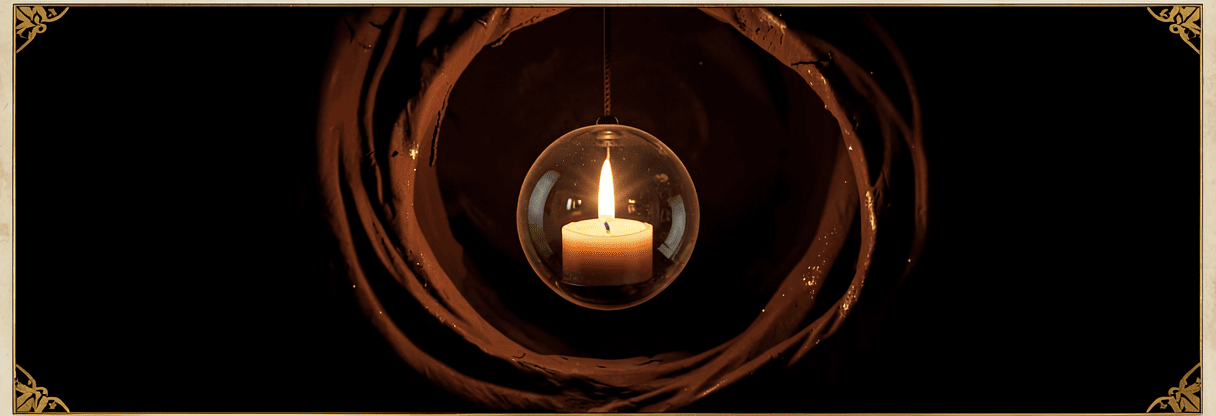
The Night
The watch when the soul wrestles — every tradition makes the dark hour the venue of revelation, fear, and decisive prayer.
“And Jacob was left alone; and there wrestled a man with him until the breaking of the day.”
- lxxix

The Day of the Lord
The reckoning that breaks like dawn — every tradition warns and waits for the great day on which all things are weighed.
“Woe unto you that desire the day of the LORD! to what end is it for you? the day of the LORD is darkness, and not light.”
- lxxx

The Hand
God's outstretched arm — every tradition makes the hand of the Holy the figure of power that delivers and the gesture of mercy that draws near.
“...for with a strong hand hath the LORD brought thee out of Egypt.”
- lxxxi
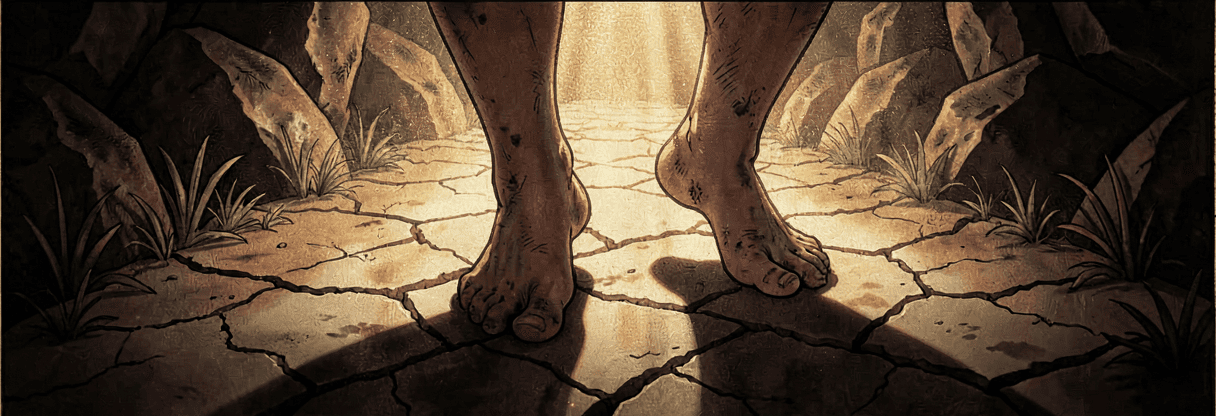
The Feet
Beautiful are the feet that bring good tidings — every tradition treats the foot as the witness of the journey and the body's lowest worship.
“How beautiful upon the mountains are the feet of him that bringeth good tidings...”
- lxxxii

Wonder
The catching of the breath before what cannot be made small — every tradition holds astonishment as the door of every other virtue.
“When I consider thy heavens, the work of thy fingers, the moon and the stars, which thou hast ordained;”
- lxxxiii

The Soul
The breath-life that makes the body more than dust — distinct from 'the self' as the immortal, the breathing-of-God in the creature.
“And the LORD God formed man of the dust of the ground, and breathed into his nostrils the breath of life; and man became a living soul.”
- lxxxiv

Discipline
The Father chastens the son he loves — every tradition treats the painful refining of the soul as a sign of belonging, not abandonment.
“For whom the LORD loveth he correcteth; even as a father the son in whom he delighteth.”
- lxxxv
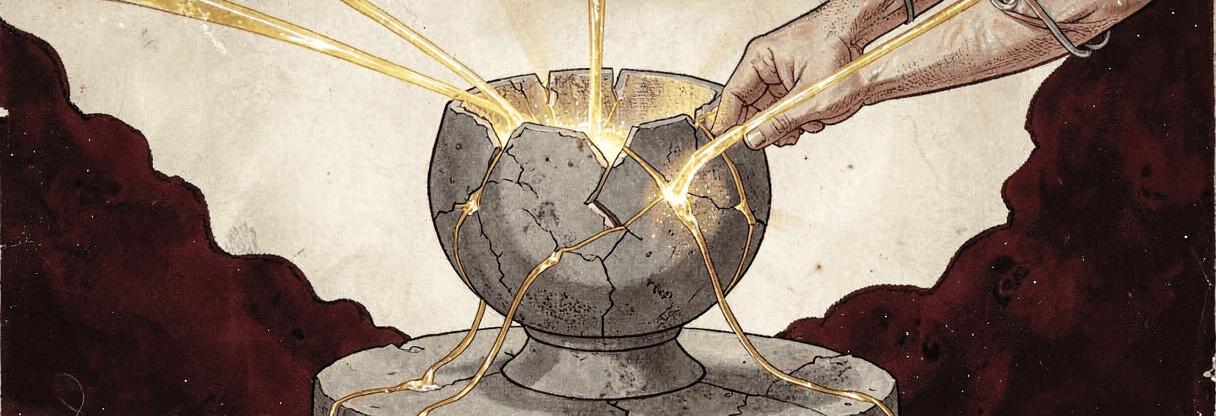
Healing
Divine restoration — every tradition treats the broken body as the visible edge of the soul's repair.
“...for I am the LORD that healeth thee.”
- lxxxvi
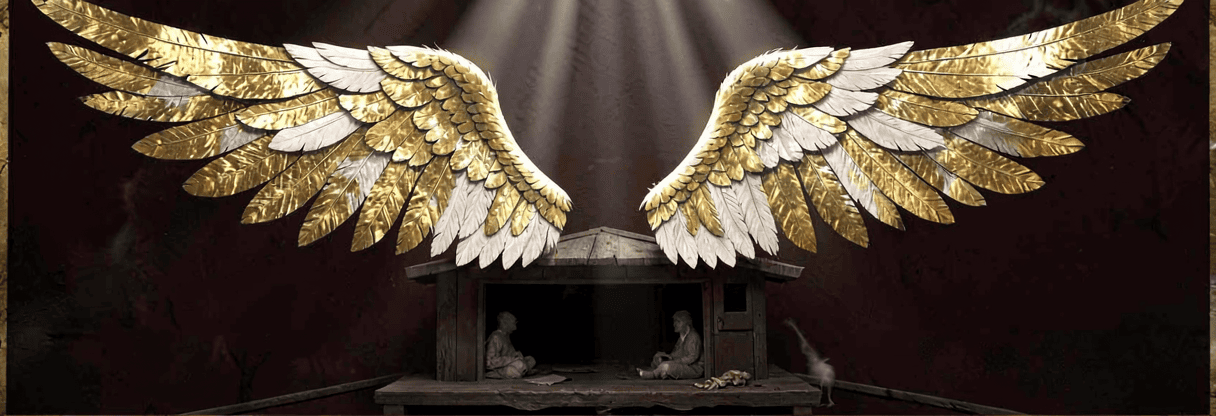
Wings
Bird, dove, eagle, hen — every tradition makes wings the figure of the divine that hovers, gathers, and bears the soul aloft.
“He shall cover thee with his feathers, and under his wings shalt thou trust...”
- lxxxvii
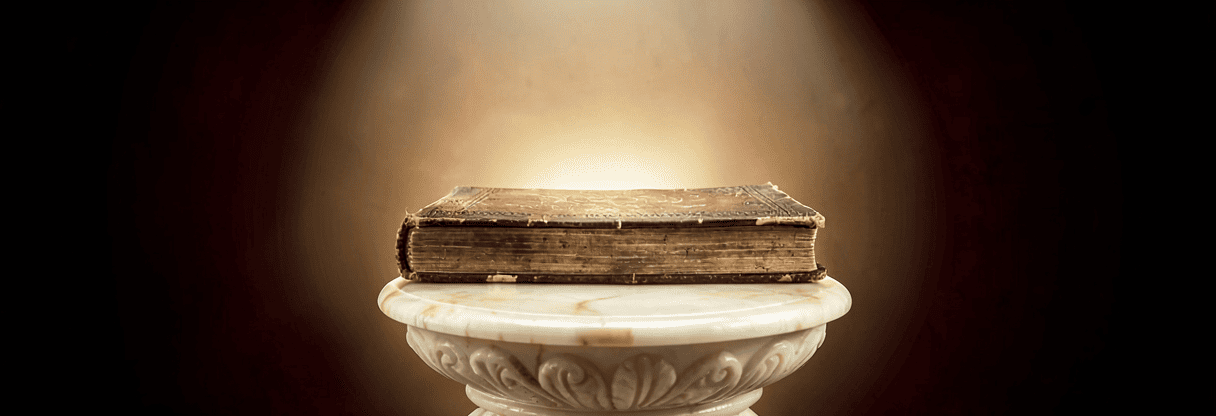
Silence
The discipline of the tongue and the listening soul — every tradition treats silence as the venue of revelation and the seal of wisdom.
“Be still, and know that I am God: I will be exalted among the heathen, I will be exalted in the earth.”
- lxxxviii

The Garden
Eden, Gethsemane, the gardens of paradise — every tradition holds the cultivated place as the figure of beginning, of decisive prayer, and of the final reward.
“And the LORD God planted a garden eastward in Eden; and there he put the man whom he had formed.”
- lxxxix
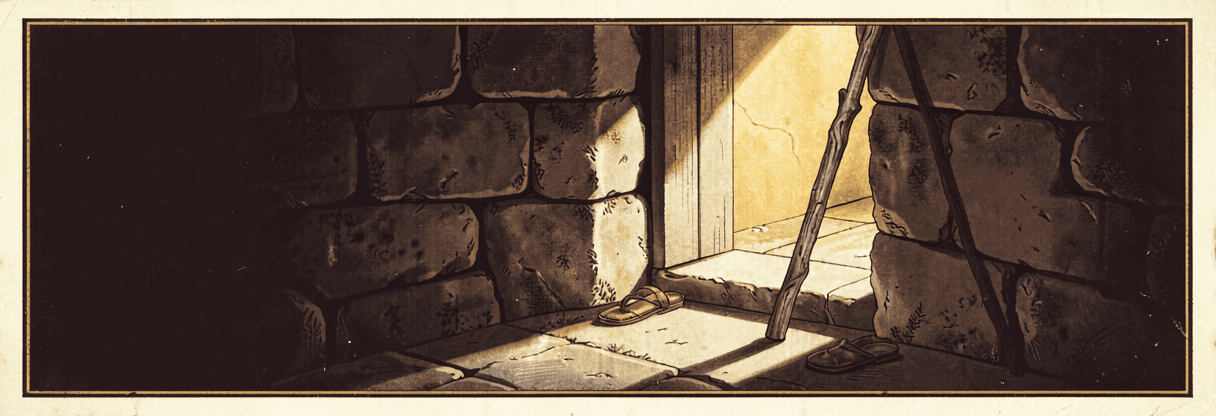
The Stranger
The sojourner, the alien, the wayfarer — every tradition makes the soul's posture toward the unknown traveler the test of its own righteousness.
“But the stranger that dwelleth with you shall be unto you as one born among you, and thou shalt love him as thyself...”
- xc

The Tongue
The small member that sets the course of the whole life — every tradition treats the tongue as the visible test of the heart.
“Death and life are in the power of the tongue: and they that love it shall eat the fruit thereof.”
- xci

The Mirror
The face beheld in glass that one cannot afterward forget — every tradition uses the mirror to figure self-knowledge, partial vision, and the soul's true reflection.
“For now we see through a glass, darkly; but then face to face: now I know in part; but then shall I know even as also I am known.”
- xcii
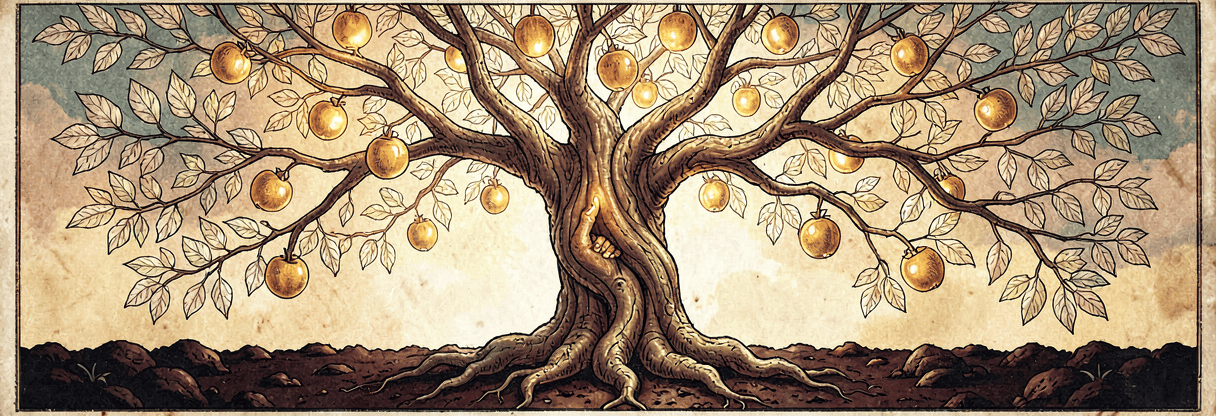
The Tree
The tree of life, the tree of knowledge, the Bodhi tree, the tree planted by water — every tradition makes the rooted, fruit-bearing tree the figure of the righteous soul and of cosmic order.
“...the tree of life also in the midst of the garden, and the tree of knowledge of good and evil.”
- xciii
Service
He that is greatest among you shall be your servant — every tradition reverses the order of greatness and makes the servant the model of the saint.
“Behold, my servant shall deal prudently, he shall be exalted and extolled, and be very high.”
- xciv
Almsgiving
The hand that gives in secret — every tradition raises charity to the rank of worship and warns against the giver who advertises.
“He that hath pity upon the poor lendeth unto the LORD; and that which he hath given will he pay him again.”
- xcv
Fasting
The voluntary hunger that empties the body so the soul may hear — every tradition makes the refused meal the venue of repentance, mourning, and revelation.
“Is not this the fast that I have chosen? to loose the bands of wickedness, to undo the heavy burdens, and to let the oppressed go free...”
- xcvi

Blessing and Curse
The double word that sets life and death before the soul — every tradition holds the pronouncement of blessing as creative and of curse as binding, both spoken by the same mouth.
“I call heaven and earth to record this day against you, that I have set before you life and death, blessing and cursing...”
- xcvii

The Fire
Burning bush, refiner's flame, consuming holiness — every tradition makes fire the proximity of God and the test of the soul.
“And the angel of the LORD appeared unto him in a flame of fire out of the midst of a bush...”
- xcviii

The Cloud
The veil of glory — every tradition makes the cloud the place where presence is hidden and revealed, where the voice speaks and the eye must drop.
“And the LORD went before them by day in a pillar of a cloud, to lead them the way...”
- xcix
The Cup
Drink of mercy, drink of wrath — every tradition lifts the cup as the figure of what is given, what is endured, and what is shared.
“...thou anointest my head with oil; my cup runneth over.”
- c
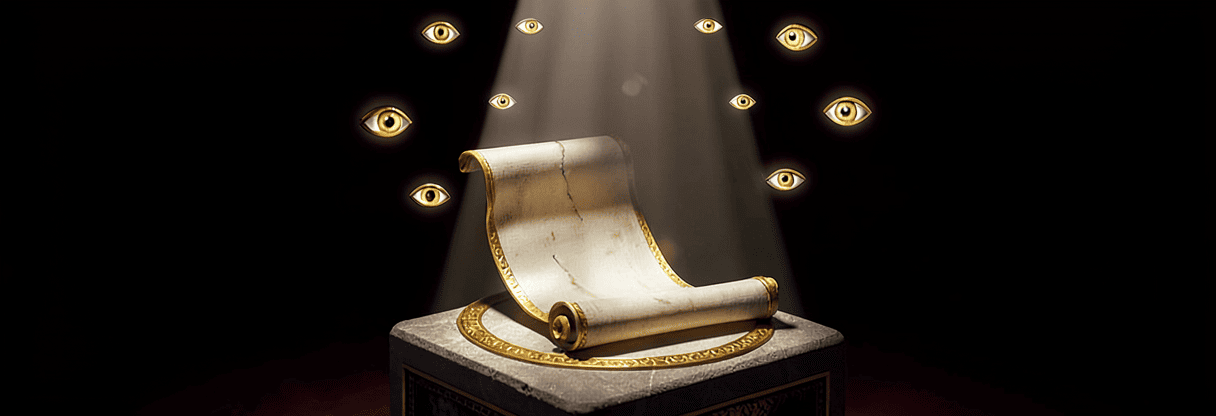
The Witness
Testimony given before the heavens — every tradition calls the believer to bear witness, and names God himself as the unfailing witness over all.
“Ye are my witnesses, saith the LORD, and my servant whom I have chosen...”
- ci
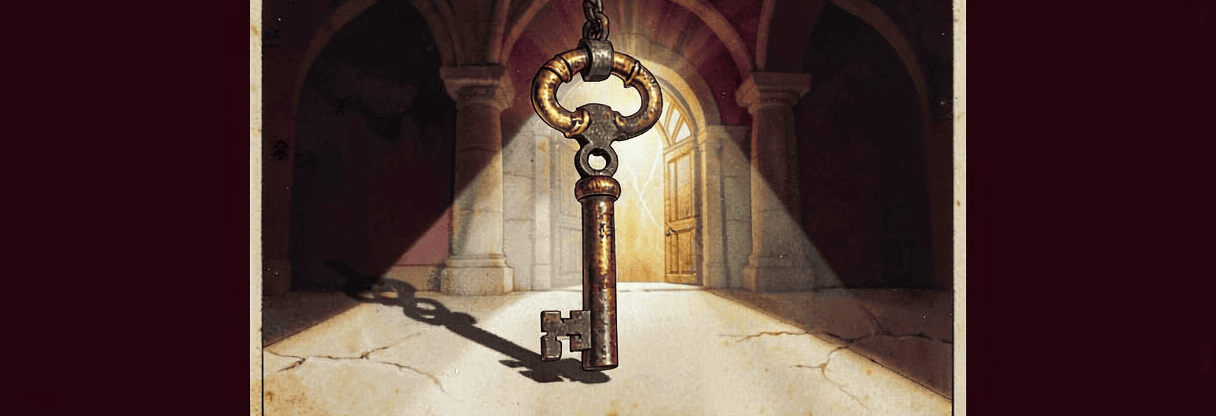
The Key
Authority to open and to shut — every tradition gives the key as the sign of stewardship, knowledge, and the gates of the kingdom.
“And I will give unto thee the keys of the kingdom of heaven: and whatsoever thou shalt bind on earth shall be bound in heaven...”
- cii
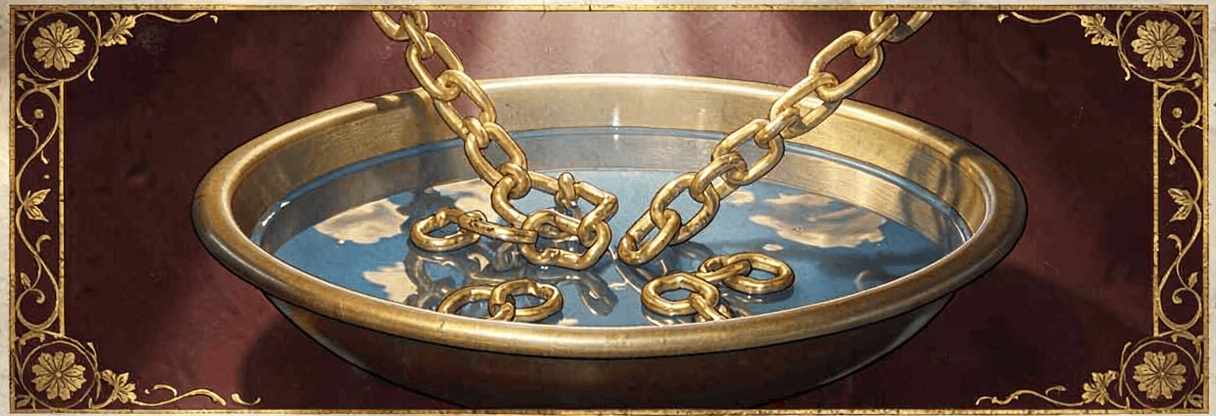
The Debt
What is owed and what is forgiven — every tradition treats moral debt as the language of the soul before God and the neighbor.
“At the end of every seven years thou shalt make a release.”
- ciii

The Fountain
The source that never fails — every tradition pictures the divine life as a spring from which all thirst may freely drink.
“For with thee is the fountain of life: in thy light shall we see light.”
- civ
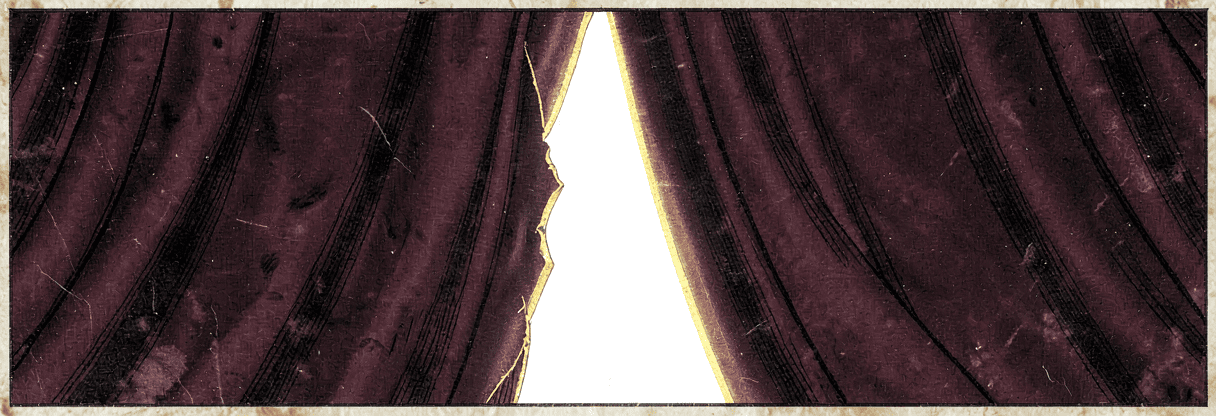
The Veil
What separates the holy from the common — every tradition treats the veil as both barrier and revelation, drawn open in the climactic moment.
“...the vail shall divide unto you between the holy place and the most holy.”
- cv
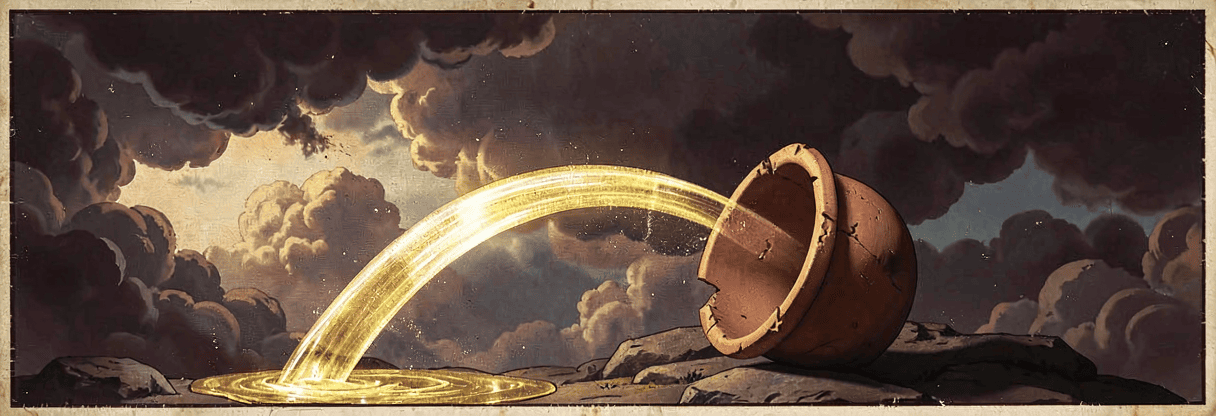
Lament
The cry that does not turn from God even in dereliction — every tradition holds the lament as faithful speech under the weight of grief.
“By the rivers of Babylon, there we sat down, yea, we wept, when we remembered Zion.”
- cvi
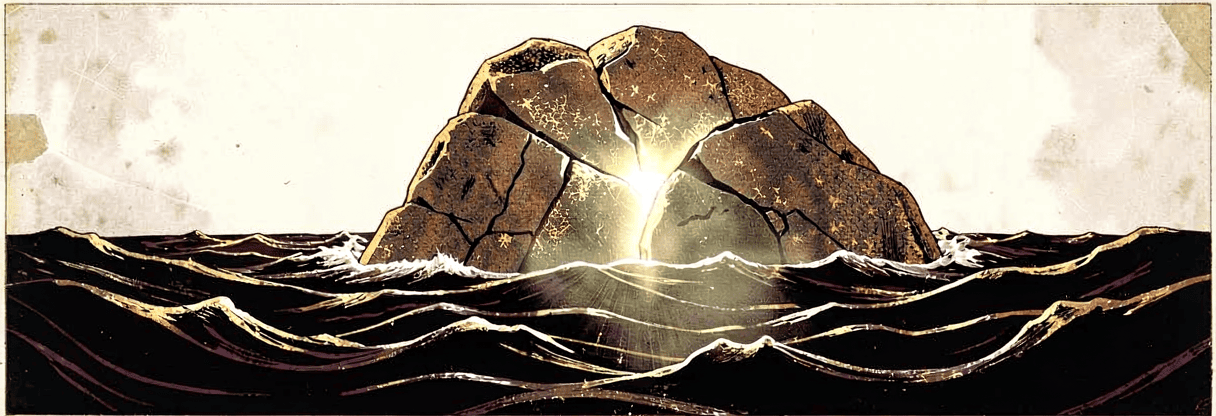
The Rock
Unshaken foundation — every tradition names the divine as the Rock under the feet of the faithful and the cleft in which the soul is hid.
“The LORD is my rock, and my fortress, and my deliverer; my God, my strength, in whom I will trust...”
- cvii

Breath
The breath that becomes life and the spirit that becomes prayer — every tradition figures the divine in the air the body cannot keep, and yet cannot live without.
“And the LORD God formed man of the dust of the ground, and breathed into his nostrils the breath of life; and man became a living soul.”
- cviii
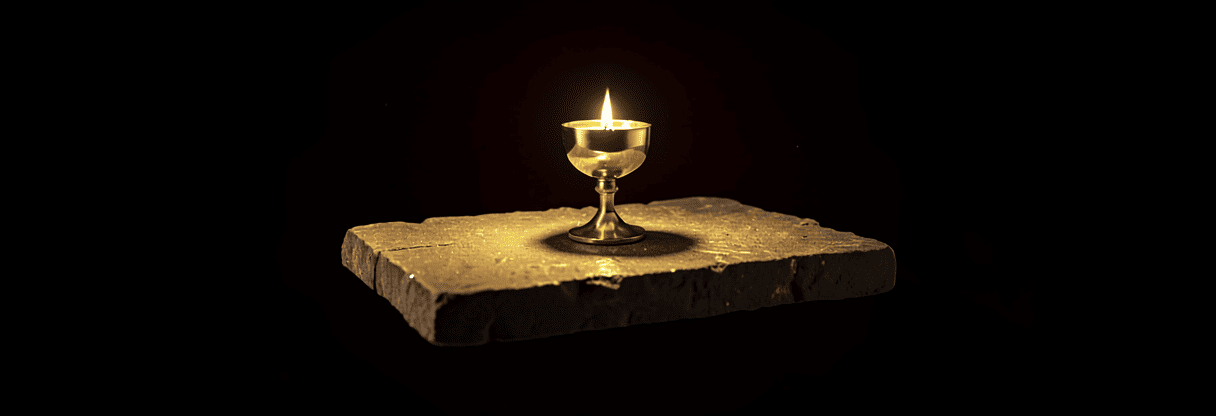
The Altar
The set-apart table where the world ends and the offering begins — every tradition orients its piety toward an altar, even when the altar is unseen.
“And Noah builded an altar unto the LORD; and took of every clean beast, and of every clean fowl, and offered burnt offerings on the altar.”
- cix
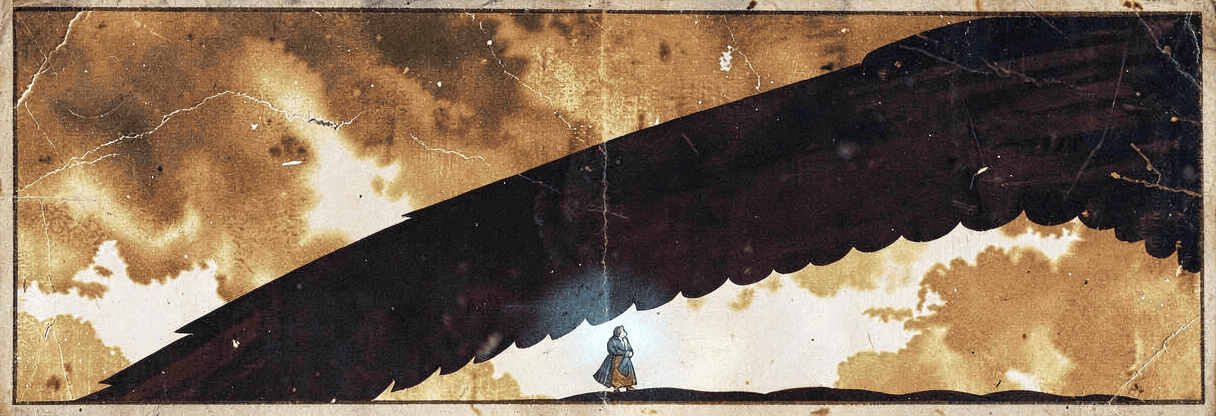
The Shadow
Cover of the wing, shade in the desert, the brevity of every life — every tradition reads the shadow as both refuge and reminder of the body's passing.
“He that dwelleth in the secret place of the most High shall abide under the shadow of the Almighty.”
- cx
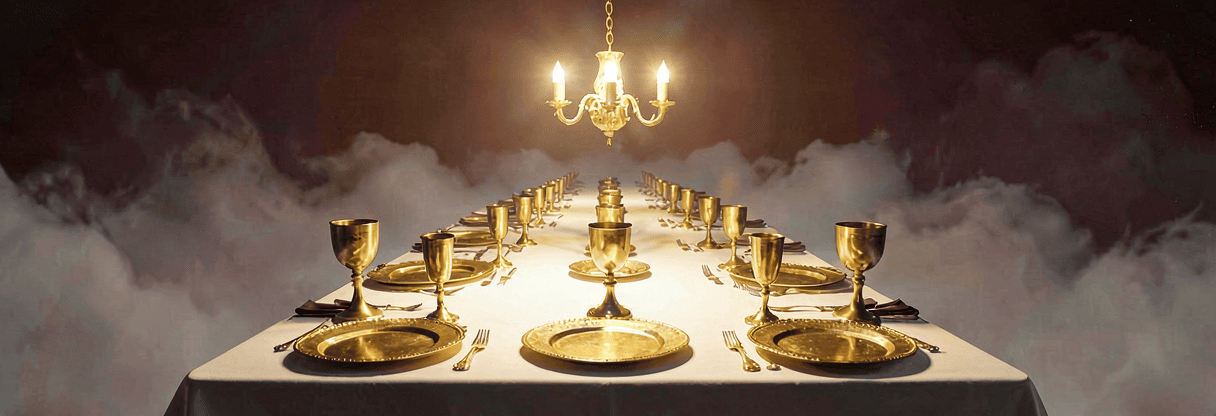
The Banquet
The set table that anticipates the kingdom — every tradition imagines the end as a feast, and rebukes the soul that comes uninvited or refuses the call.
“And in this mountain shall the LORD of hosts make unto all people a feast of fat things, a feast of wines on the lees...”
- cxi
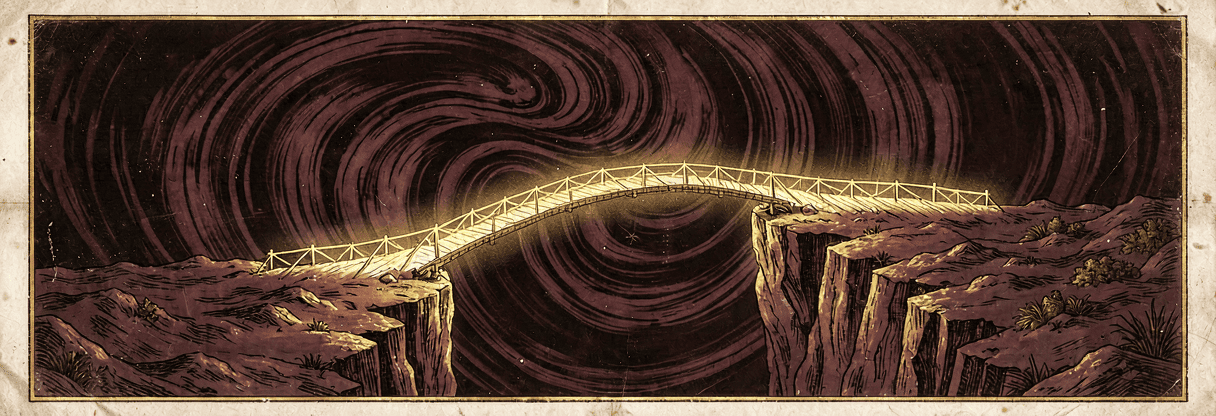
The Bridge
The narrow span over the abyss — every tradition figures salvation as a crossing, and every tradition holds that some bridge has been built between man and what is beyond.
“And an highway shall be there, and a way, and it shall be called The way of holiness; the unclean shall not pass over it...”
- cxii

The Dust
The body's ground and end — every tradition takes a handful of dust as the figure of human humility before the Holy and the dignity of being formed by hand.
“...for dust thou art, and unto dust shalt thou return.”
- cxiii
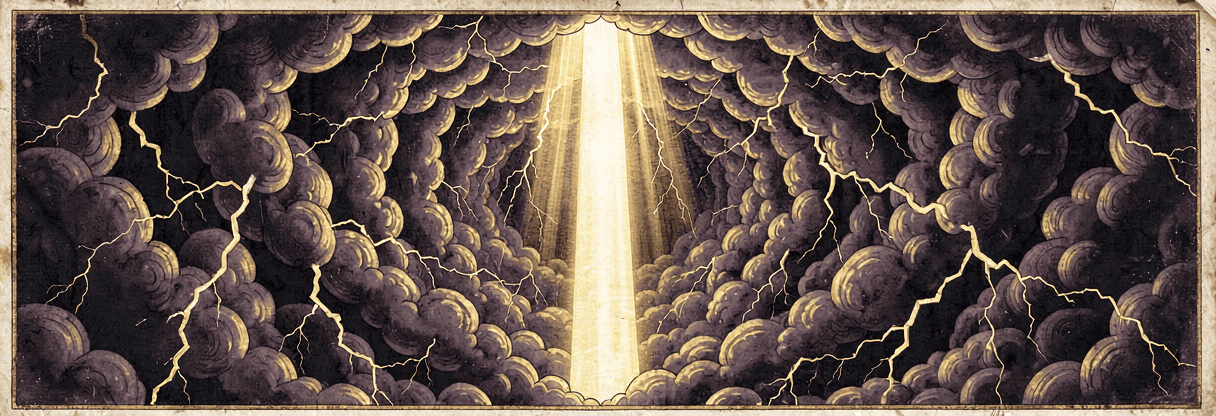
The Storm
The whirlwind that the LORD answers from, the tempest that the disciples cry through — every tradition makes the storm the venue of address and of mastery.
“Then the LORD answered Job out of the whirlwind, and said,”
- cxiv
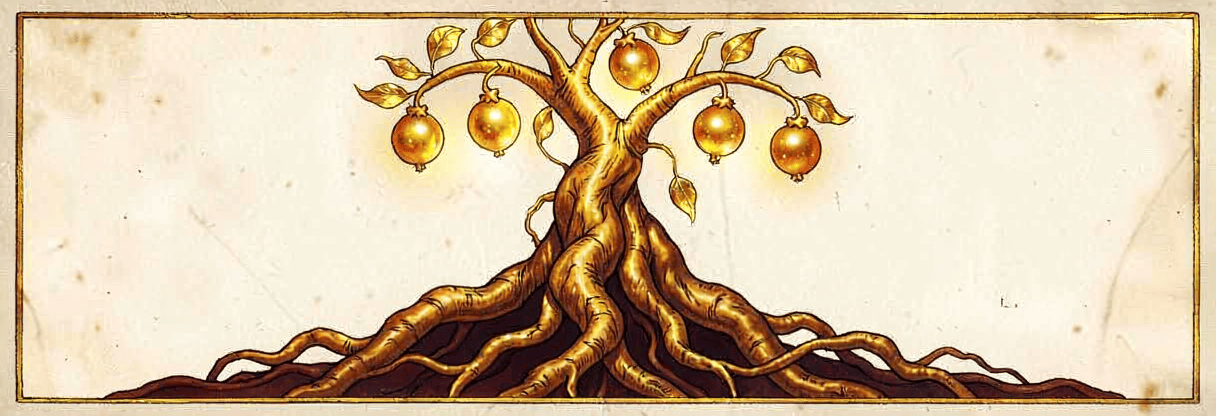
The Vine
The cultivated stock that bears fruit only when grafted to the root — every tradition makes the vine the figure of the people of God and of the soul that abides in the Word.
“Thou hast brought a vine out of Egypt: thou hast cast out the heathen, and planted it.”
- cxv

The Dance
The body in praise — every tradition makes the dance a figure of unforced joy before the Holy, and rebukes the cold heart that despises it.
“And Miriam the prophetess, the sister of Aaron, took a timbrel in her hand; and all the women went out after her with timbrels and with dances.”
- cxvi
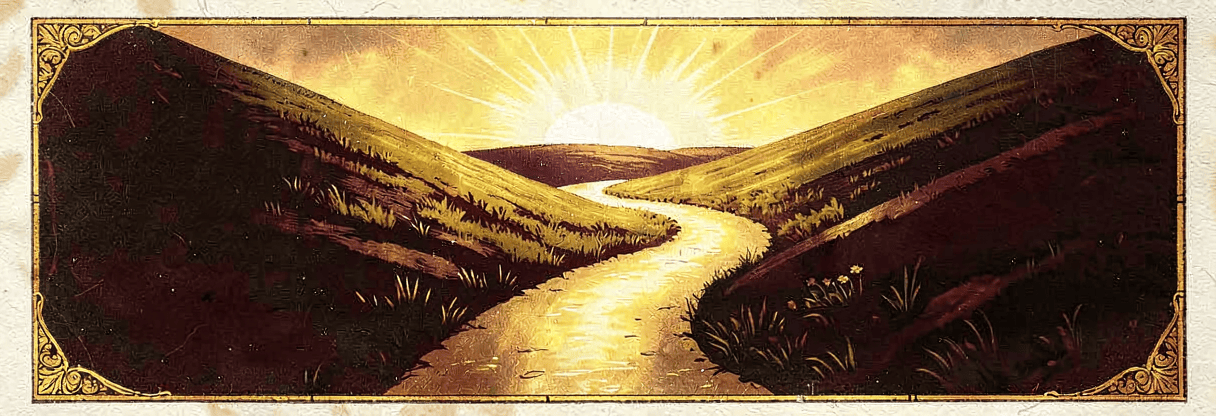
The Road
The way the soul must walk — every tradition figures the spiritual life as a road, and warns of every junction where the path divides.
“Ye shall walk in all the ways which the LORD your God hath commanded you, that ye may live, and that it may be well with you,”
- cxvii

The Ear
He that hath an ear, let him hear — every tradition holds the ear as the first organ of faith and the first failure of the proud heart.
“Hear, O Israel: The LORD our God is one LORD:”
- cxviii

The Sea
The waters under the firmament — every tradition makes the sea the figure of the chaos that the Lord rebukes and the depth that the soul must cross.
“And God called the dry land Earth; and the gathering together of the waters called he Seas: and God saw that it was good.”
- cxix

The Stars
He telleth the number of the stars and calleth them all by their names — every tradition reads the night sky as both a sign of the Maker's care and the figure of those who turn many to righteousness.
“And he brought him forth abroad, and said, Look now toward heaven, and tell the stars, if thou be able to number them: and he said unto him, So shall thy seed be.”
- cxx
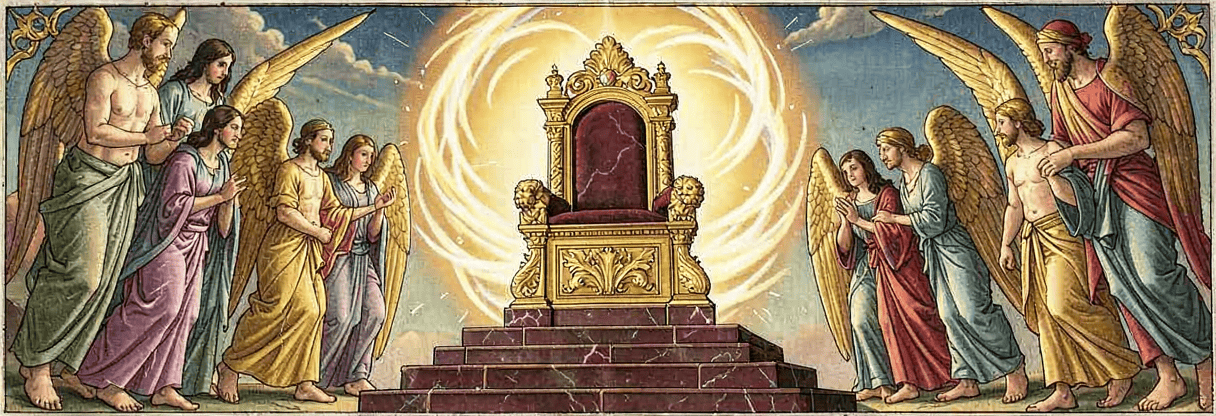
The Throne
The seat above the cherubim — every tradition figures the divine sovereignty as a throne, attended by the unceasing song of those who see and do not look away.
“...I saw also the Lord sitting upon a throne, high and lifted up, and his train filled the temple.”
- cxxi
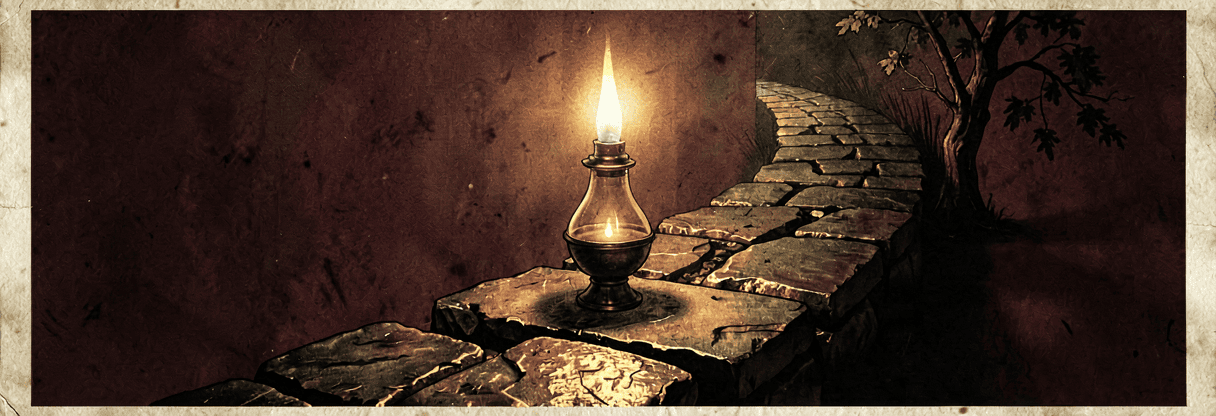
The Lamp
Thy word is a lamp unto my feet — every tradition makes the small steady light the figure of the Word that does not fail in the long dark watch.
“Thy word is a lamp unto my feet, and a light unto my path.”
- cxxii

The Mother
She that beareth, she that hath compassion — every tradition gives the mother a place of unique honor, and remembers the cries of her son before all other prayer.
“Honour thy father and thy mother...”
- cxxiii
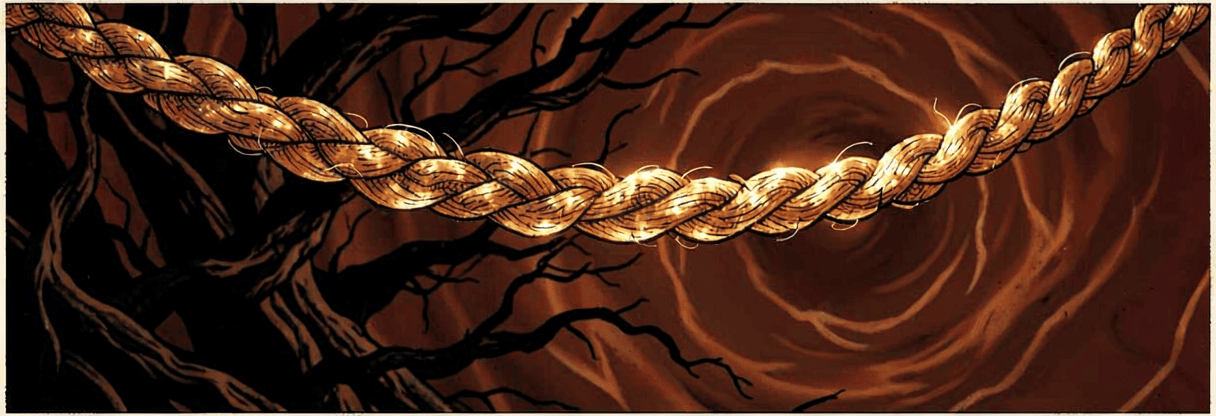
Kindness
Chesed — the loyal lovingkindness that does not break — every tradition makes lovingkindness the unbreakable thread between the Holy and the holy life.
“For his merciful kindness is great toward us: and the truth of the LORD endureth for ever...”
- cxxiv

The Knee
Every knee shall bow — every tradition reads the bending of the knee as the body's confession before the Holy and as the posture from which all real prayer rises.
“...Solomon had made an end of praying all this prayer and supplication unto the LORD, he arose from before the altar of the LORD, from kneeling on his knees...”
- cxxv
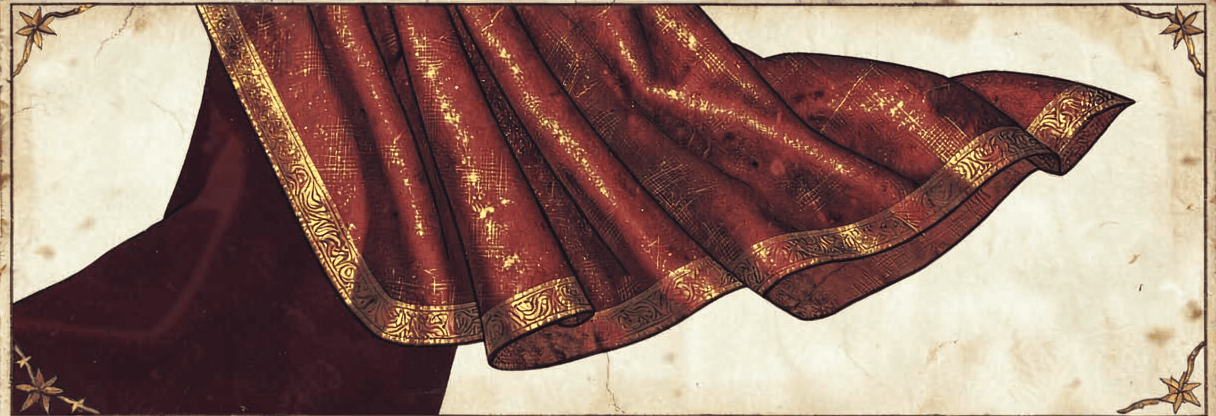
The Mantle
The cast-off cloak of the prophet — every tradition figures sacred succession in a piece of fabric, and the call of God in the moment when the mantle falls upon the shoulders of the next.
“...Elijah passed by him, and cast his mantle upon him.”
- cxxvi

The End
He that endureth to the end — every tradition lives toward an end, and every tradition holds that the end is not the close of the story but the door of the longer one.
“Better is the end of a thing than the beginning thereof: and the patient in spirit is better than the proud in spirit.”